



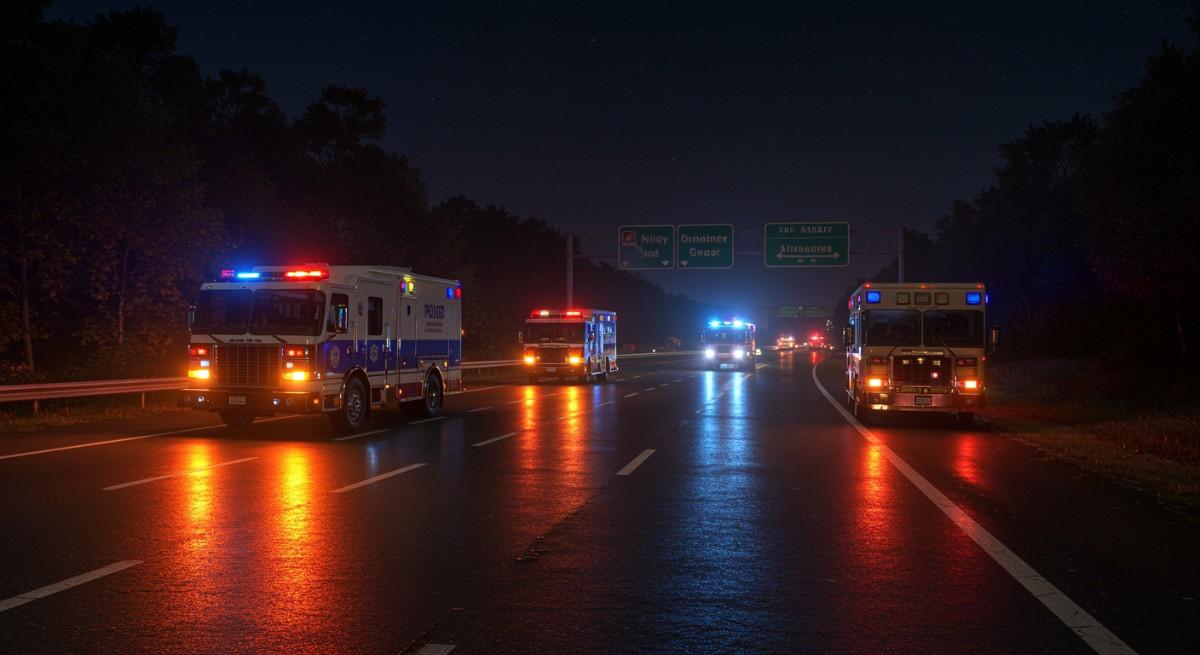
Flashing red and blue lights signal urgency and grant right-of-way, but the laws governing them are complex. Federal and state statutes dictate who can use them, which colors are permitted, and when they can be activated. Understanding these rules is crucial for emergency vehicle operators, fleet managers, first responders, and private citizens to avoid legal trouble.
Federal Standards: The Baseline for Safety
While traffic laws are largely the domain of individual states, the federal government establishes the baseline for vehicle safety equipment. The primary standard comes from the Federal Motor Vehicle Safety Standard (FMVSS) No. 108.
FMVSS 108 regulates all automotive lighting, signaling, and reflective devices. For emergency vehicles, this standard ensures that lighting equipment is visible, durable, and effective without being blindingly dangerous to other drivers. It dictates parameters such as:
- Luminous Intensity: The minimum brightness required for lights to be effective during the day and night.
- Color Specificity: The exact chromaticity coordinates that define “red,” “blue,” and “amber” to ensure consistency across manufacturers.
- Flash Rate: The speed at which lights pulse to maximize attention without inducing seizures or confusion.
The General Services Administration (GSA) also maintains federal specifications (KKK-A-1822F) specifically for ambulances. These detailed specs cover everything from the placement of warning lights to the electrical load capacity required to support them. While these federal standards dictate how the lights are built and perform, they generally leave the who and when up to the states.
The State of Confusion: How State Laws Differ
Once you move past the manufacturing standards, the regulatory landscape becomes significantly more varied. Every state has its own motor vehicle code that dictates exactly which colors represent which type of emergency.
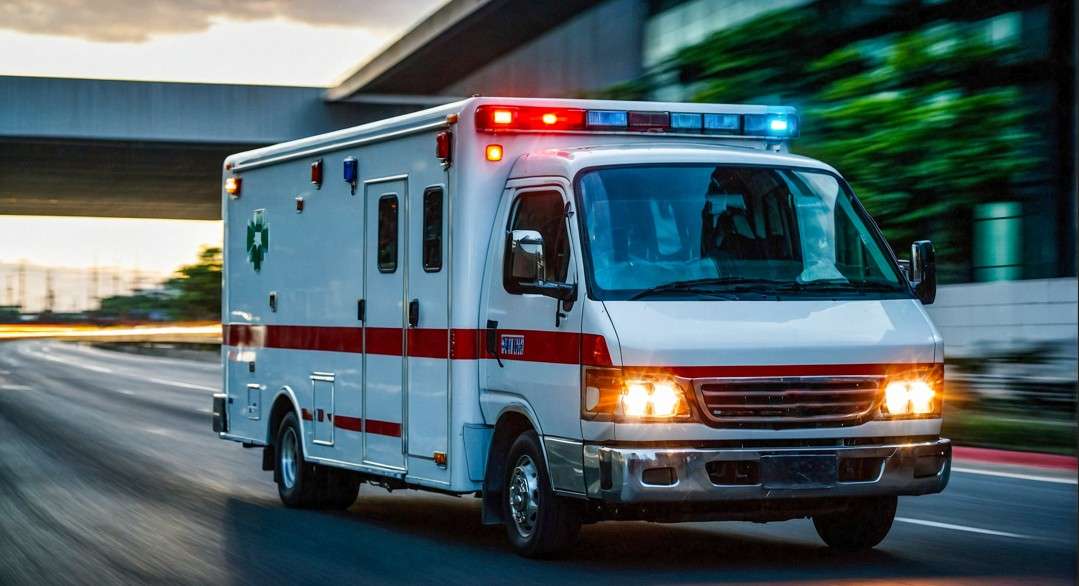
Color Coding Conventions
While there is some overlap, the meaning of specific colors can change the moment you cross a state line.
- Red: Almost universally reserved for high-priority emergency vehicles like fire trucks, ambulances, and police cars. In many states, forward-facing red lights are strictly prohibited on any non-emergency vehicle.
- Blue: This is where things get complicated. In many jurisdictions, blue is exclusively for law enforcement. However, some states allow volunteer firefighters to use blue courtesy lights in their personal vehicles. Conversely, in other areas, blue lights are used for maintenance vehicles like snowplows.
- Amber (Yellow): Typically signifies caution rather than an emergency. You will usually see these on tow trucks, construction vehicles, utility trucks, and slow-moving security patrols.
- White/Clear: Often used in conjunction with red or blue to increase visibility, often through “wig-wag” headlight flashers.
- Green: This is a rarer designation. In states like Indiana or Connecticut, green lights might indicate a volunteer EMT, a mobile command post, or private security.
Usage Restrictions
States also differ on how these lights can be used. Some statutes allow emergency vehicle lights to be activated only when the vehicle is in motion and responding to a call. Others permit their use while stationary to protect a scene.
Furthermore, regulations often distinguish between “emergency” status and “courtesy” status. A police car has legal authority to break traffic laws (like running a red light) when its lights are active. A volunteer firefighter using a courtesy light in their personal sedan usually does not have those same privileges; the light is merely a request for other drivers to yield right of way.
Vehicle Types and Specific Requirements
Not all response vehicles are created equal. The lighting setup required for a highway patrol interceptor is vastly different from that of a roadside assistance truck. Here is a breakdown of common vehicle categories and their typical lighting profiles.
Law Enforcement
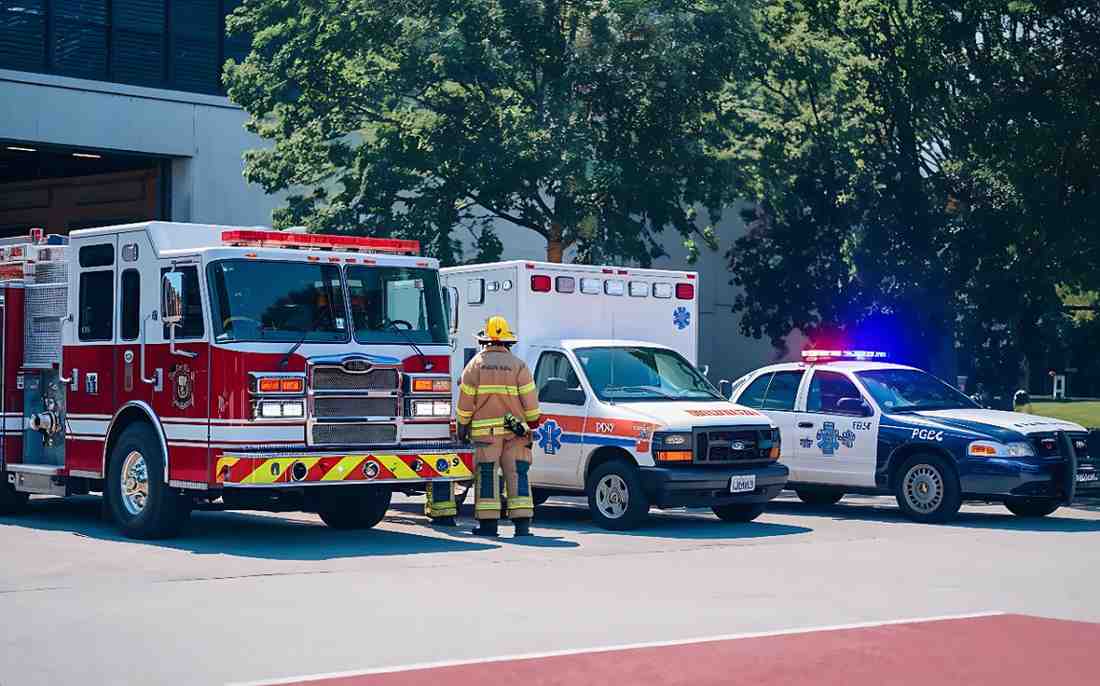
Police vehicles have the widest latitude regarding lighting. They typically utilize a combination of red and blue strobes or LEDs. Modern police cruisers are often equipped with distinct “light bars” that offer 360-degree visibility, along with grille lights, intersection clearing lights, and rear deck lights. Many states strictly forbid the possession of blue lighting equipment by anyone other than sworn law enforcement officers.
Fire and EMS
Fire engines and ambulances rely heavily on red lighting, often mixed with white for maximum visibility. Because these vehicles are large and often block traffic at accident scenes, their lighting packages are designed to outline the perimeter of the vehicle. NFPA (National Fire Protection Association) standards also influence the placement of lights on fire apparatus to ensure safety for crews working around the truck.
Volunteer Responders
This is a heavily regulated area. Volunteers often use their personal vehicles (POVs) to respond to stations or scenes. Depending on the state, they may be authorized to use a single dash light or a magnetic roof mount. The color is strictly controlled—often blue for fire or green for EMS—and usually requires a permit or authorization letter from the department chief.
Utility and Construction
Yellow or amber lights serve as a universal warning for obstruction. Tow trucks, snowplows, and utility repair trucks use these to warn drivers of slow-moving or stationary hazards. While less regulated than red/blue lights, usually permits are still required to operate amber flashing lights on public highways.
The High Cost of Non-Compliance
Ignoring these lighting regulations is not a minor infraction. Law enforcement agencies take the unauthorized use of emergency equipment very seriously because of the potential for impersonating a police officer.
Legal Penalties
If you install restricted lights on a private vehicle without authorization, you could face:
- Heavy Fines: Citations can run into the hundreds or thousands of dollars.
- Confiscation: Officers may seize the lighting equipment or impound the vehicle.
- Criminal Charges: In some jurisdictions, displaying red or blue lights can lead to arrest, particularly if the driver attempts to pull someone over or influence traffic.
Liability Issues
For fleet managers, compliance is also a liability issue. If a construction truck is involved in an accident and it is discovered that the warning lights were not compliant with state code (e.g., wrong color, insufficient brightness, or improper placement), the company could be found negligent in a lawsuit.
Conversely, failing to equip a emergency vehicle with required warning lights can also lead to liability if an accident occurs because other drivers were not adequately warned of a hazard.
Conclusion
Warning light regulations ensure drivers respond correctly to specific flashing colors. Whether equipping a municipal fleet or personal vehicle, always check your state’s motor vehicle code first. Don’t rely on what others use or what’s sold online, as many products are restricted or for “off-road use only.”
