



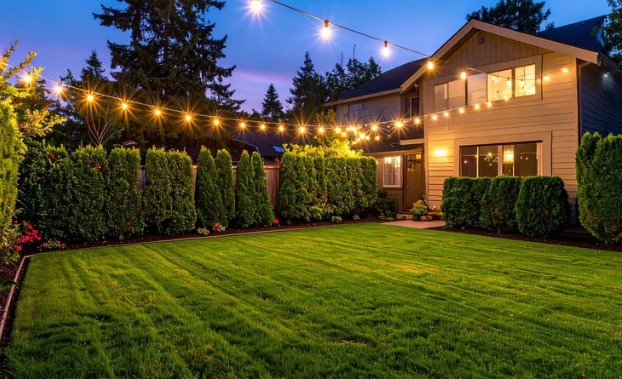
Your home is likely your biggest investment, but your backyard is where the memories happen. It’s the backdrop for first steps on the grass, chaotic birthday parties, quiet morning coffees, and eventually, graduation celebrations. But families change. The sandbox that was essential for your toddler becomes an eyesore when they hit high school. The wide-open lawn for soccer practice might feel empty once the kids move out.
Creating a Safe Haven for Little Ones
When children are young, safety and visibility are the top priorities. You need spaces where they can explore and burn off energy, but you also need to be able to supervise them easily from the kitchen window or the patio.
Start from the ground up. Hard surfaces like concrete or jagged pavers can be harsh on little knees. Consider softer alternatives for play zones, such as rubber mulch, rounded pea gravel, or sturdy, drought-resistant turf. If you are installing a play structure, ensure there is a dedicated “fall zone” with shock-absorbing material.
However, think about the future of that space. A sandbox built directly into the ground can easily convert into a raised garden bed later. A flat, grassy area designated for a swing set today can eventually become the foundation for a fire pit or a pergola when the swings are no longer needed.
Fencing is another crucial element for toddlers. While you need security, you don’t necessarily want a fortress. Layered landscaping with soft hedges inside a secure fence can soften the perimeter while keeping wandering feet contained.
A Garden That Educates and Feeds
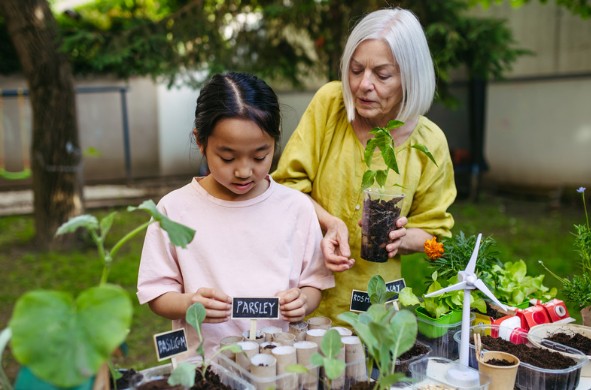
Gardens are magical for children, but they are often designed exclusively for adults. Integrating a garden into your family backyard offers a unique opportunity to teach kids about nature, responsibility, and where their food comes from.
For young families, raised beds are often better than in-ground plots. They prevent dogs and toddlers from trampling delicate seedlings and bring the action up to eye level for small children. Designate a “kids’ corner” in the garden where perfection isn’t the goal. Let them dig for worms, plant fast-growing crops like radishes or sunflowers, and get messy.
As the family matures, this space can transition. That chaotic kids’ plot can become a sophisticated herb garden or a space for high-yield vegetables. Vertical gardening—using trellises for beans or peas—saves space and creates natural privacy screens that can be adjusted as your privacy needs change.
Incorporating sensory elements is also a smart design move for all ages. Fragrant plants like lavender, textured grasses, and the sound of a small water feature appeal to toddlers and stressed-out parents alike, ensuring the garden remains a destination for everyone.
Spaces for Teens and Adults to Connect
As children grow into teenagers, their needs shift dramatically. The desire for active play is often replaced by a need for social space and privacy. If your backyard doesn’t offer a place for them to hang out with friends, they likely won’t use it.
This is the phase where flexible hardscaping shines. That open lawn that used to be for tag? It might be the perfect spot for a backyard pickleball court, such as those offered in Utah, or a half-court for basketball. These features are excellent for keeping teens active, but they also serve as adult entertainment zones for weekend gatherings.
Privacy becomes paramount during the teen years. Creating “rooms” within your landscape using tall ornamental grasses, bamboo screens, or strategically placed pergolas allows different groups to use the backyard simultaneously without being on top of each other. A hammock tucked away in a quiet corner offers a retreat for reading or studying.
Don’t forget the adults. As the kids become more independent, you reclaim your time. This might be the era of the hot tub, the dedicated yoga platform, or simply a sophisticated lounge area that isn’t overrun with plastic toys.
Outdoor Living and Dining: The Heart of the Home
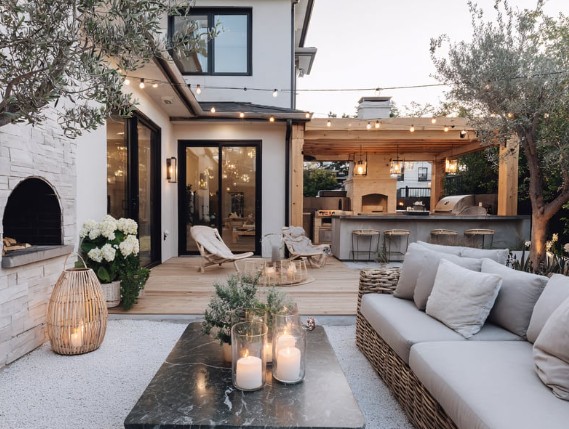
Regardless of your family’s size or age, the ability to eat and relax outside is universally appealing. The key is designing these areas to be scalable.
A small bistro table might suffice for a couple, but a growing family needs a dining table that can expand. When designing your patio or deck, overestimate the space you need. It’s much harder to add square footage to a concrete slab later than it is to fill extra space with potted plants now.
Consider the flow from indoors to outdoors. Large sliding doors or French doors that open onto a deck effectively double your living space in the warmer months. An outdoor kitchen doesn’t have to be elaborate; a built-in grill with some counter space and storage can revolutionize summer dinners.
Lighting plays a huge role in how usable this space is. String lights create ambiance, while task lighting around the grill and pathways ensures safety. Smart lighting systems allow you to change the mood from “bright and safe for kids” to “dim and romantic for adults” with a tap on your phone.
Finally, think about shade. Trees take years to mature. If you plant a sapling now to shade a future seating area, you are playing the long game. In the interim, use shade sails or cantilever umbrellas that can be moved as the sun—and your layout—shifts.
Conclusion
A backyard is rarely “finished.” It is a living, breathing extension of your home that requires observation and adjustment. By planning with flexibility in mind—choosing convertible features, scalable layouts, and multi-purpose zones—you save money and frustration in the long run.
