



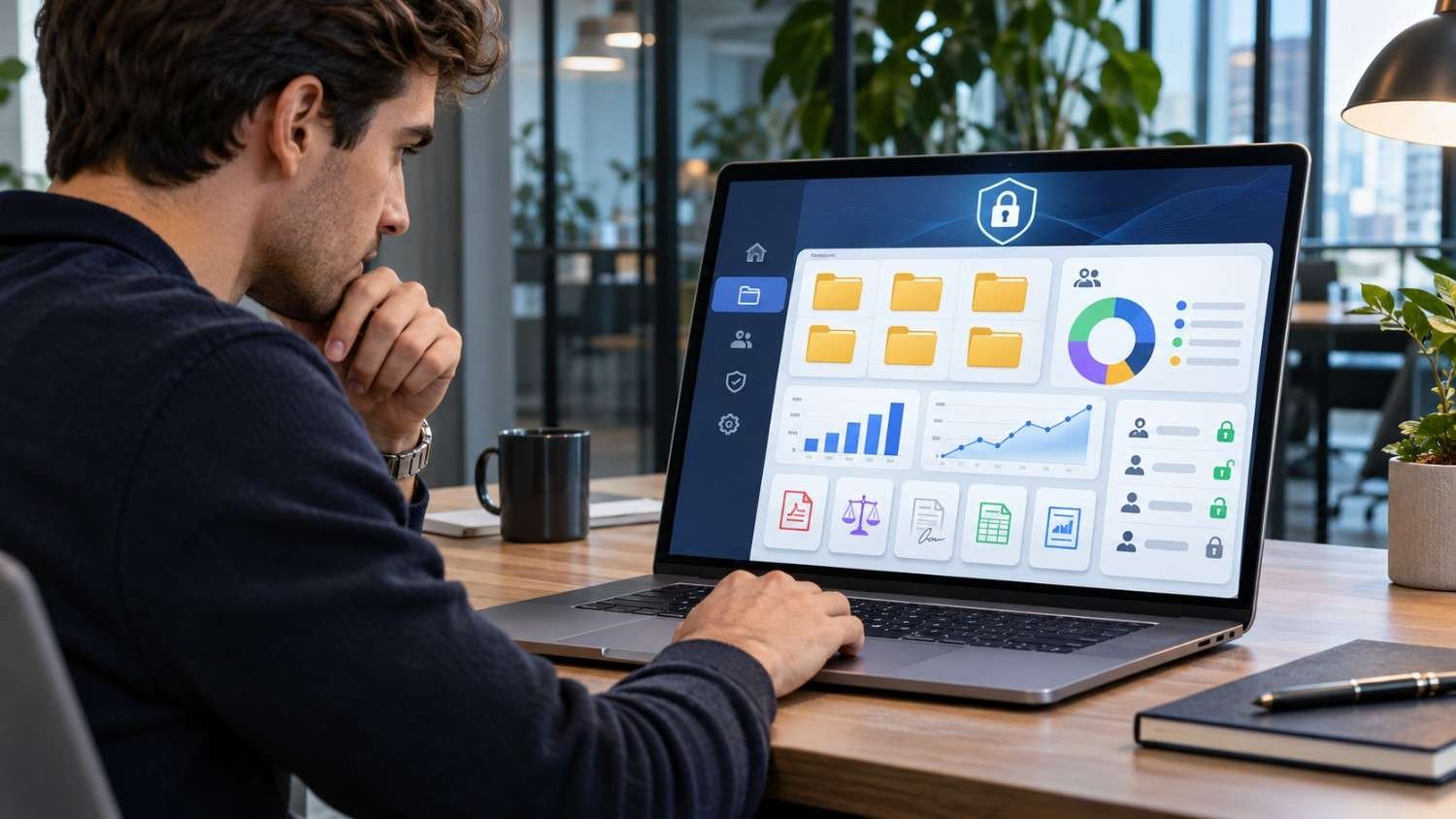
Most founders build a data room for the first visit. The partner clicks the link, scrolls the deck, says something kind about the traction slide, and closes the tab. Job done, right? Not even close. The meeting that matters is the one where someone on the deal team opens your room a second time, alone, at 9 p.m., with a checklist in hand and nobody to explain the gaps.
That second visit is where raises quietly die. I’ve watched founders lose weeks of momentum because a cap table lived in a folder labeled “Misc” and a customer contract was dated six months before the company claimed to have signed it. Nobody accused anyone of lying. The room just felt sloppy, and sloppy rooms make investors nervous.
So here’s the reframe: your data room isn’t a storage locker. It’s a silent co-founder who answers questions while you sleep. Get that right and you’ll spend less time hunting for best data rooms for startups and more time talking about the thing you actually built.
Why the second visit matters more than the first
First visits are social. Second visits are forensic. By the time a deal team returns to your room, they’re cross-checking claims from your deck against documents, and they’re doing it without you in the room to smooth things over.
That means the room has to be legible to a stranger. If your financial model sits in one folder, your bank statements in another, and the two don’t reference each other, the reviewer has to do the linking work. Reviewers don’t like doing linking work. They start wondering what else they’ll have to chase.
Security expectations aren’t a formality either. According to the National Institute of Standards and Technology, protecting sensitive information depends on controlling who can access it, tracking what happens to it, and limiting exposure over time. Your room should visibly do all three. Permission tiers, view logs, and expiring links aren’t paranoia. They’re the baseline an institutional investor expects to see.
What a second-visit room looks like

Picture two founders raising the same amount with the same metrics. Founder A sends a link to a folder tree that mirrors her pitch deck: Problem, Product, Traction, Team, Financials, Legal.
Every folder has a one-line description in the title. There’s a “Start Here” document at the root that explains what’s inside and who to email with questions. If the startup offers machine learning development services, the room also includes relevant technical documentation, product capabilities, and evidence of completed projects to help investors evaluate the business.
Founder B sends a link to a drive folder. Inside are forty files with names like “v3_final_FINAL.xlsx” and “scan0004.pdf”. The information is technically all there. It just costs the reviewer an hour of unpaid archaeology to find it.
Founder A closes faster. Every single time. The documents mattered equally in both cases, which tells you the room itself was the variable.
The three-audience test
Here’s the framework I use when I audit a founder’s room, and it’s the one thing from this piece I’d tattoo on my forearm if tattoos weren’t permanent: build for three visitors, not one.
Visitor one is the analyst who wants to pull data into a spreadsheet and will be annoyed by anything that can’t be exported.
Visitor two is the partner who opens the room on a phone between meetings and needs to find the traction numbers in under ninety seconds.
Visitor three is the lawyer who will read every page and note every inconsistency, including the one where your incorporation date in the deck doesn’t match your certificate.
If your room works for all three, it works. If it only works for you, you’ve built a filing cabinet, not a deal room. And I’d bet real money the phone visitor is the one who controls the timeline, because partners decide with their thumbs.
A practical readiness checklist
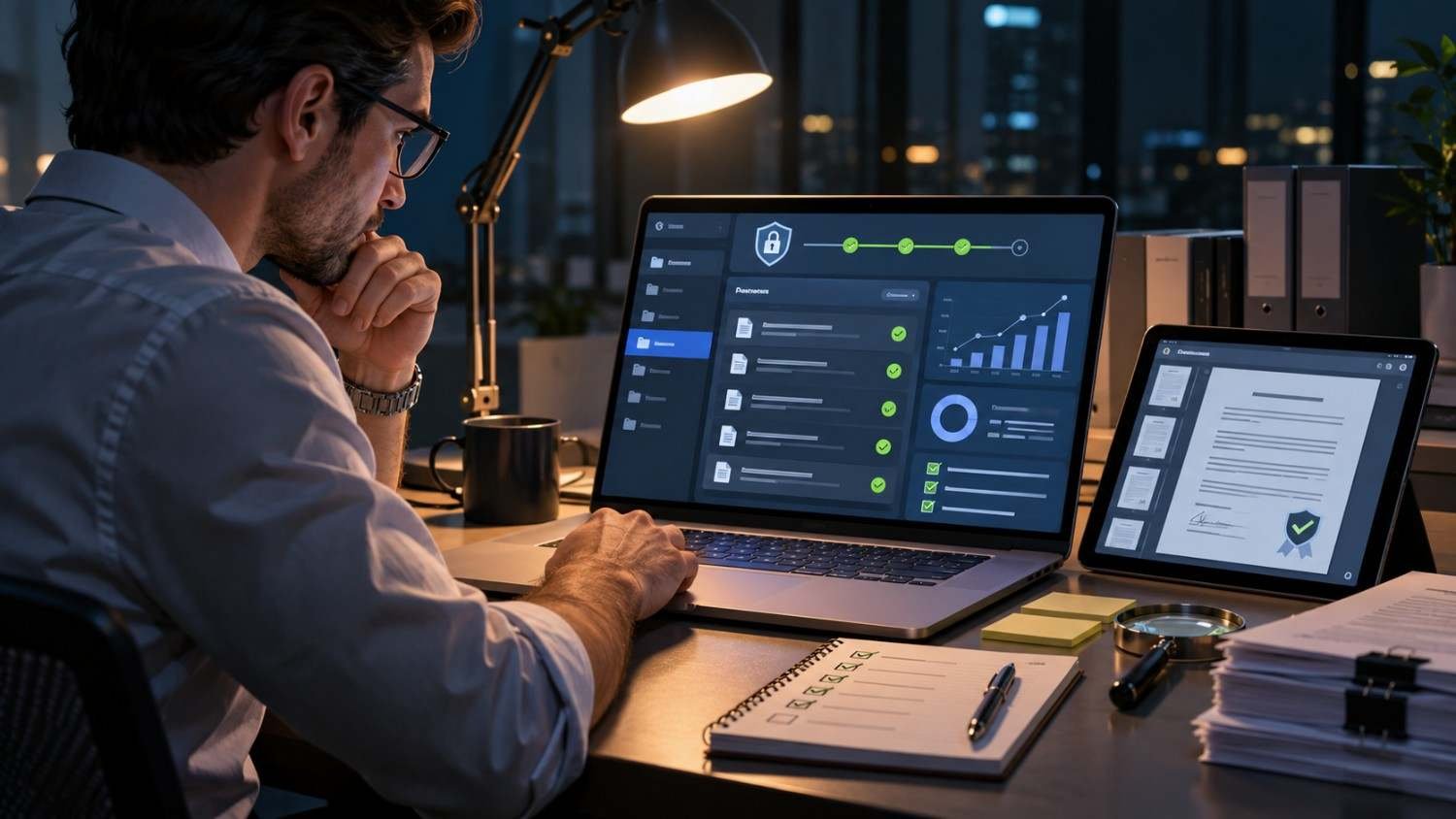
Run this the week before you send any link. It takes a couple of hours and saves a month.
- Corporate spine: incorporation documents, bylaws, cap table, and every option grant, each in one clearly named folder.
- Financial trail: the model plus the statements that back it up, so a reviewer can reconcile the two without emailing you.
- Commercial proof: contracts, a customer list with a one-line note on each account, and a churn explanation that doesn’t hide behind a chart.
- Product evidence: a live demo login, a short walkthrough video, and any uptime or usage data you already track.
- Access plan: a named owner for the room, tiered permissions by visitor type, and a log you check weekly.
One more piece that founders skip: your own IP registration paperwork. If you’re claiming proprietary software or a brand, the U.S. Copyright Office publishes plain-language guidance on what’s protected and what isn’t, and having an answer ready beats stammering when the lawyer asks.
How to pick a platform without overpaying
You don’t need enterprise pricing for a seed round. You do need permission controls that actually work, an audit trail you can show, and a way to revoke access the moment a deal goes cold. Anything beyond that is a nice-to-have you can postpone until you’re raising a Series B.
The Small Business Administration keeps a running set of resources on how small firms plan for growth and capital, and it’s a decent sanity check on what investors in your stage will ask about. Read it before you build the room, not after.
My honest take: pick the platform you can administer without reading a manual. Founders who can’t figure out their own permission settings end up sharing documents too broadly, which defeats the whole point of having a room. If your first instinct is to give everyone a single link, you’ve already lost the security argument.
Small things that make a room feel trustworthy

Name documents the way a reviewer thinks, not the way your team talks. “Acme Master Services Agreement, signed March” beats “MSA_ACME_FV2”.
Add a change note at the top of anything you update mid-process, so a partner who checked last Tuesday knows what moved. Investors notice this. Two founders did it in the last batch I looked at, and both closed inside eight weeks.
Revoke access from anyone who passed. It sounds cold, but your room’s log is a story about how you treat sensitive information, and a stale permission tells a worse story than a rejected offer ever could.
The room you build for the second visit is the room you’ll reuse for every future raise, every acquisition conversation, and every serious partner you sign. Build it once, build it clean, and the awkward archaeology question never comes up.
So here’s the thing worth sitting with: if a stranger opened your room right now with no context and thirty minutes, would they trust you? If the answer is anything short of a fast yes, you’ve got two hours of work to do this week. Start with the folder tree. The rest follows.
