


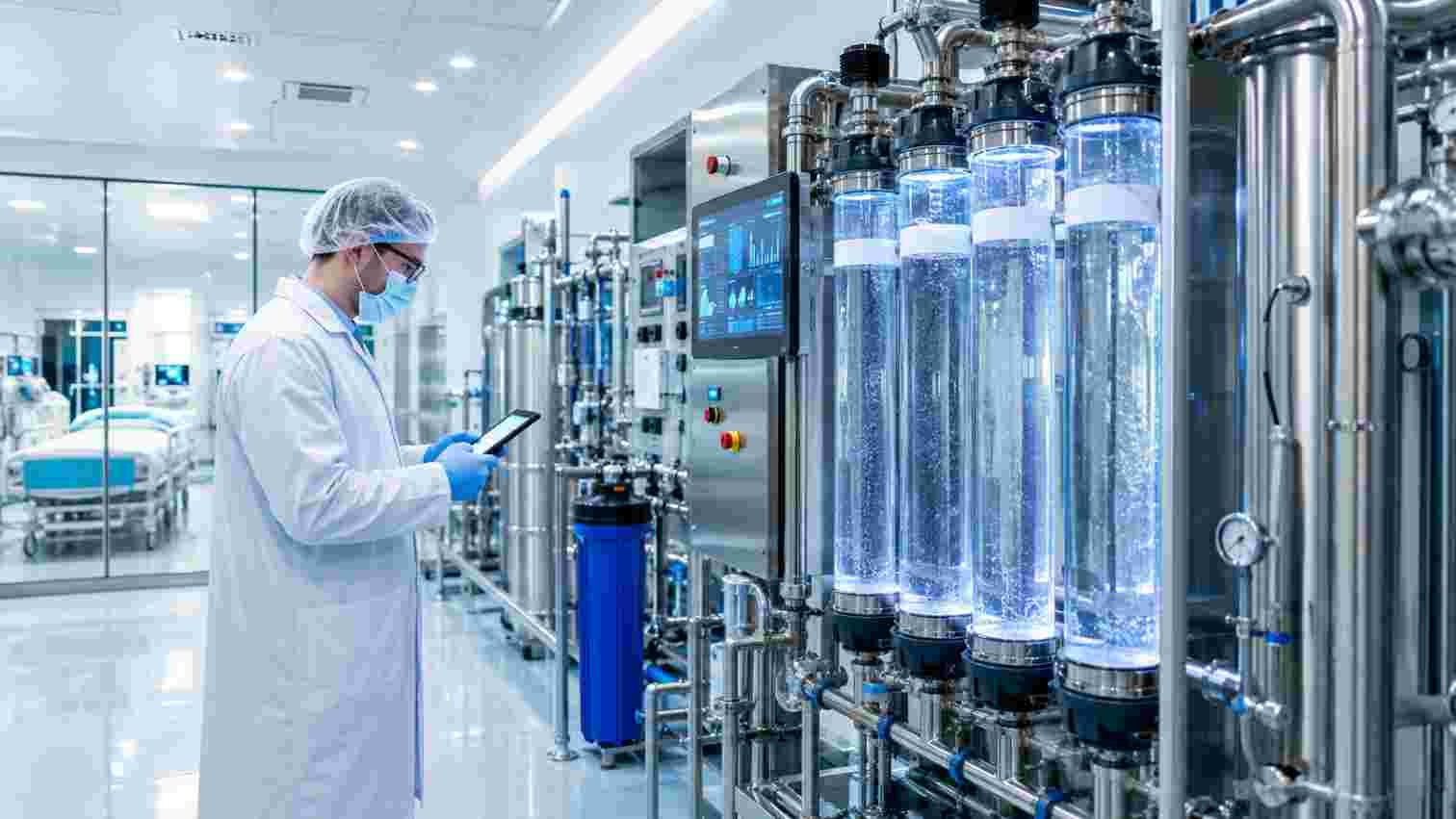
Water quality plays a critical role in healthcare settings, serving a variety of functions from sanitation and sterilisation to patient care and facility operations. Ensuring that healthcare water is treated effectively is essential to protect patient health, maintain regulatory compliance, and support clinical outcomes. This article explores innovative healthcare water treatment solutions that address the unique challenges of water management in medical environments.
The Importance of Water Quality in Healthcare
Water used in healthcare facilities must adhere to strict quality standards to prevent contamination and ensure safety. Contaminated water can lead to healthcare-associated infections and compromise equipment performance, potentially endangering patients and staff. Therefore, maintaining high standards of water purity is a non-negotiable priority for hospitals and other medical institutions.
Applications of Water in Medical Facilities
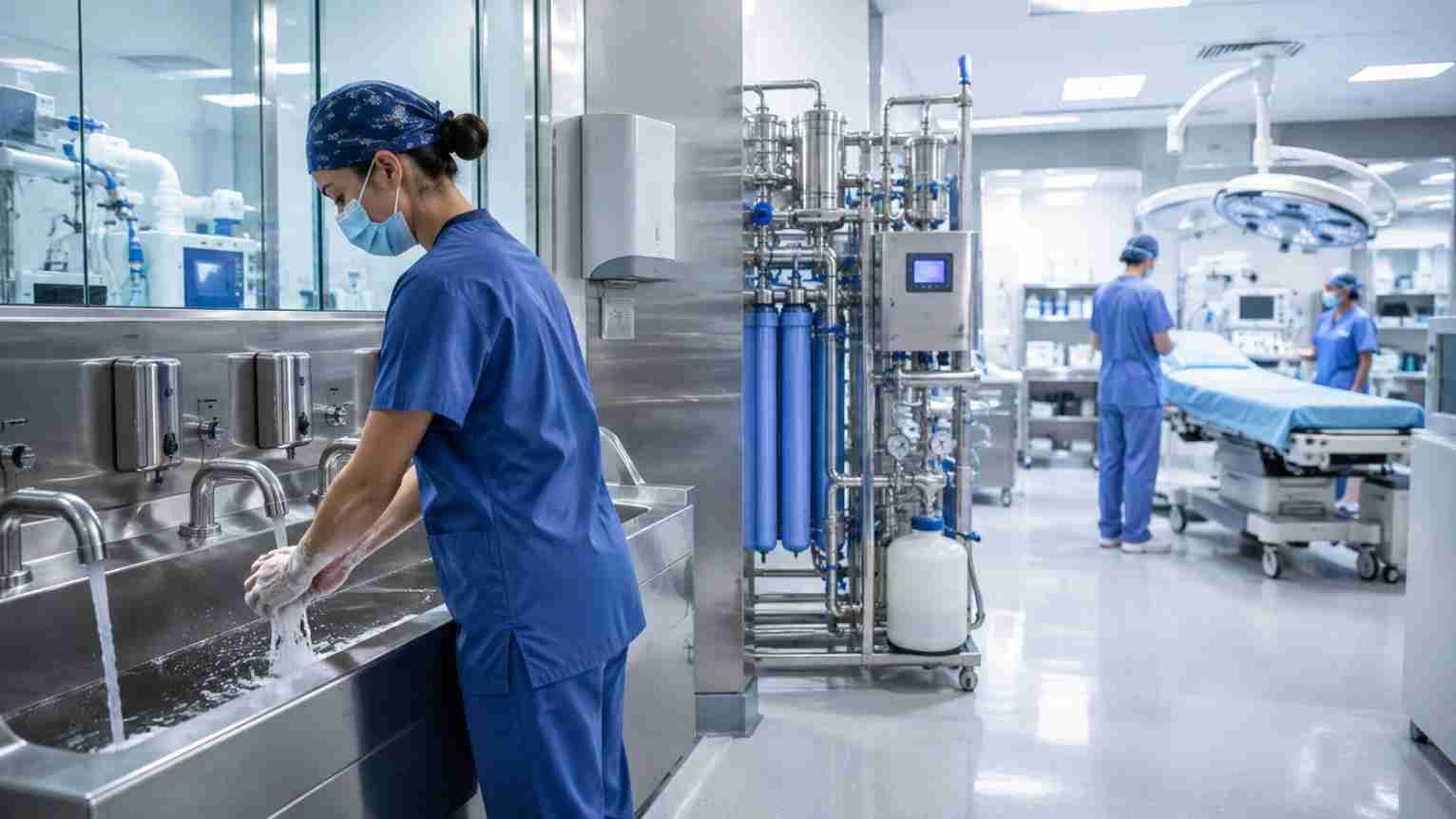
Within healthcare settings, treated water serves multiple purposes. It is utilised in surgical instruments sterilisation, dialysis machines, laboratory testing, patient hydration, and hygiene. Each of these applications demands water with specific quality parameters, such as low microbial counts and minimal chemical impurities, which necessitates specialised treatment processes.
Reliable water quality is especially important in facilities caring for patients living with heart disease, where hydration, dialysis support, medication preparation, and infection prevention may all depend on safe clinical water systems.
Challenges in Healthcare Water Treatment
Healthcare water treatment systems face unique challenges that differ from those in municipal or industrial settings. The variability of water sources, presence of pathogens, and sensitivity of medical equipment require advanced and highly reliable treatment technologies. Additionally, facilities must comply with rigorous regulatory frameworks that mandate water quality standards.
Another challenge lies in preventing biofilm formation within water distribution systems. Biofilms can harbour harmful microorganisms, posing infection risks. Effective water treatment strategies must therefore include mechanisms to control microbial growth and maintain system integrity.
Regulatory Compliance and Standards
Compliance with regulatory standards such as those set out by organisations like the World Health Organization (WHO) and national health authorities is vital. These standards specify acceptable levels of microbial contamination, chemical residues, and physical characteristics within healthcare water systems. Failure to meet these standards may result in legal consequences and compromise patient safety.
Innovative Treatment Technologies
Advancements in water treatment technology have paved the way for innovative solutions tailored to the demands of healthcare applications. These technologies aim to enhance water purity, operational efficiency, and system reliability.
Ultrafiltration Systems
One such technology is ultrafiltration, which employs membranes to remove suspended solids, bacteria, and viruses from water. Ultrafiltration systems provide consistent water quality with minimal chemical usage, supporting sensitive medical procedures where sterility is crucial.
Ultraviolet (UV) Disinfection
Ultraviolet disinfection is widely adopted for its ability to inactivate microorganisms without introducing chemical disinfectants. UV treatment is particularly effective against bacteria, viruses, and spores, offering a chemical-free solution that reduces the risk of toxic by-products.
Facilities evaluating these systems may also benefit from understanding optimized UV technology for superior performance, particularly when aiming to improve disinfection efficiency, energy use, and treatment reliability.
Advanced Oxidation Processes (AOPs)
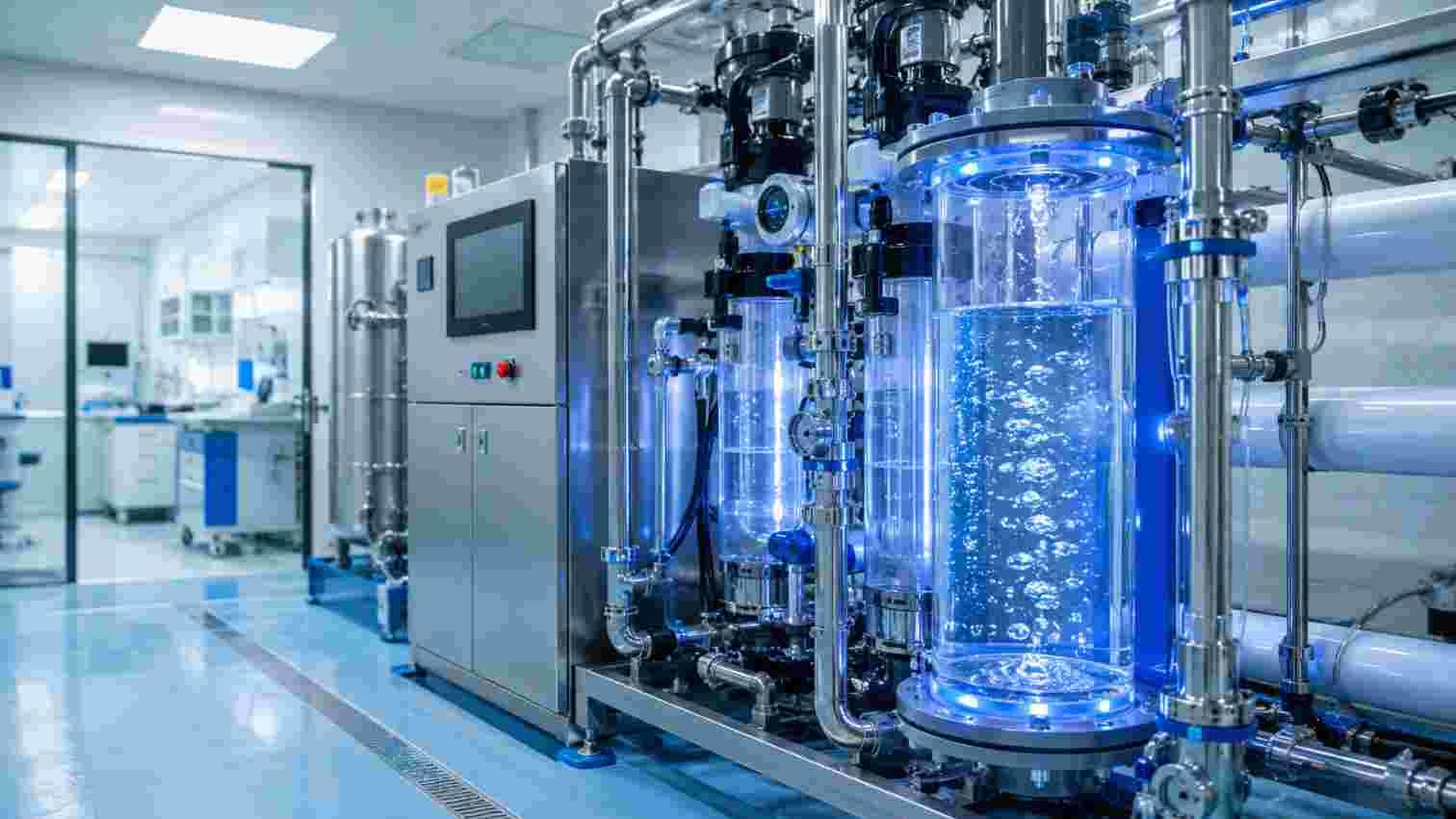
Advanced oxidation processes combine oxidants and UV light or catalysts to degrade complex organic compounds and eliminate pathogens. AOPs are effective for removing trace contaminants that standard treatment methods might not address, ensuring comprehensive water purification.
Integration of Treatment Systems
Healthcare water treatment often involves combining multiple technologies to achieve optimal results. For example, integrating filtration, UV disinfection, and chemical dosing can provide multi-barrier protection against contamination. This layered approach ensures redundancy, enhancing safety and reliability.
Automated monitoring and control systems are increasingly used to manage treatment processes in real time. These systems can detect deviations in water quality and adjust treatment parameters promptly, reducing risks and maintenance requirements.
Case Studies and Practical Implementation
Facilities adopting advanced healthcare water treatment solutions have reported improved water quality, reduced infection rates, and enhanced equipment longevity. Tailored solutions based on site-specific assessments ensure that treatment approaches meet local water characteristics and medical needs.
Benefits of Innovative Healthcare Water Treatment
Implementing modern water treatment technologies in healthcare settings offers numerous benefits. These include heightened patient safety, compliance with stringent regulations, and operational cost savings through efficient resource utilisation and reduced equipment downtime.
Moreover, sustainable water treatment solutions contribute to environmental conservation by minimising chemical usage and wastewater production, aligning healthcare operations with broader sustainability goals.
Training and Maintenance Considerations
To maximise the effectiveness of treatment systems, healthcare staff require proper training on operation and maintenance protocols. Preventive maintenance and routine monitoring ensure that systems function as intended, preventing lapses that could jeopardise water quality.
Future Directions in Healthcare Water Treatment
Ongoing research continues to drive innovation in healthcare water treatment, focusing on enhanced membrane materials, real-time microbial detection technologies, and energy-efficient disinfection methods. These advancements promise to further safeguard patient health and improve operational efficiencies.
The integration of smart technologies, such as IoT sensors and cloud-based analytics, is expected to transform water system management by providing predictive maintenance and comprehensive water quality data.
Conclusion
Effective healthcare water treatment is indispensable for ensuring safe medical environments. Innovative solutions that combine advanced filtration, disinfection, and monitoring technologies provide robust protection against contamination. By embracing these technologies, healthcare providers enhance patient care quality, ensure compliance with regulatory standards, and support sustainable operations.
For healthcare facilities seeking tailored and reliable water treatment solutions, engaging with industry experts who specialise in healthcare water treatment is recommended to address specific challenges and requirements.
