




It’s no secret that modern families are spending more time in front of screens and less time under the sun. However, breaking away from digital distractions and stepping outside offers immense benefits for both physical health and emotional bonding. Studies have shown that spending time in nature can significantly reduce stress levels, improve mood, and even enhance cognitive function in children.
When you engage in outdoor activities together, you aren’t just burning energy; you are building shared memories that last a lifetime. Whether you have toddlers, teenagers, or a mix of both, the key is finding activities that are accessible, engaging, and fun for all skill levels. Here is a curated list of outdoor adventures that are sure to get everyone excited about fresh air.
1. Embark on a Geocaching Treasure Hunt
If you have trouble convincing your children to go for a “plain old walk,” geocaching is the perfect solution. Often described as the world’s largest treasure hunt, geocaching uses GPS coordinates to help you locate hidden containers, called geocaches, in your area. All you need is a smartphone and a sense of adventure.
There are millions of geocaches hidden around the world—in parks, on trails, and even in urban environments. The excitement of following the digital compass and the satisfaction of finding the hidden “treasure” (which is usually a logbook to sign and sometimes small trinkets to trade) keeps engagement high. It turns a standard hike into an interactive mission, which is fantastic for keeping younger family members motivated to keep moving.
Pro Tip: Download the official Geocaching app before you head out and look for “traditional” caches with a low difficulty rating to ensure a win on your first outing.
2. Create a Backyard Obstacle Course
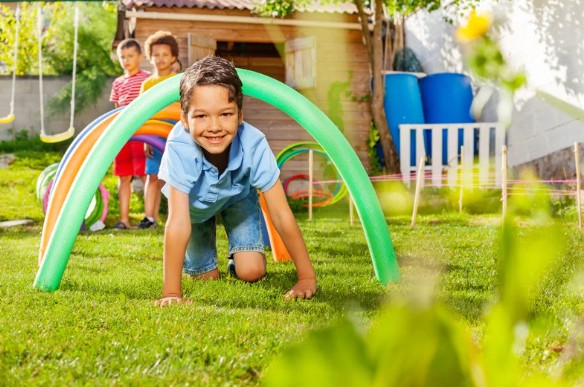
You don’t need to travel far to have an adventure; sometimes, the best fun happens right on your own lawn. Building a DIY obstacle course allows you to be creative and use items you already have in the garage or house. Hula hoops can serve as tires to step through, pool noodles can be hurdles to jump over, and a rope between two trees can become a “laser” maze to crawl under.
This activity is excellent for developing gross motor skills in younger children and sparking friendly competition among older kids and adults. You can time each family member as they run through the course, attempting to beat their own personal bests. It encourages physical fitness in a way that feels entirely like play, not exercise.
3. Try Stargazing and Nighttime Storytelling
Outdoor activities don’t have to end when the sun goes down. In fact, the night sky offers a completely different kind of wonder. On a clear night, set up blankets or lawn chairs in the backyard or drive to a local dark-sky park away from city lights.
Stargazing is inherently educational. You can use astronomy apps to identify constellations, planets, and satellites passing overhead. To make the experience even more cozy, bring along a thermos of hot cocoa. This is also a perfect time for storytelling. Without the distraction of television, families can share stories, myths about the stars, or simply talk about their day. It’s a low-energy, high-connection activity that encourages awe and curiosity.
4. Cultivate a Family Garden
Gardening is a wonderful way to teach children about responsibility, biology, and the food cycle. It requires patience and consistent care, but the rewards are tangible. You don’t need a massive plot of land to start; a few pots on a balcony or a small raised bed work perfectly fine.
Assigning each family member a specific plant or section of the garden gives them a sense of ownership. Quick-growing vegetables like radishes or green beans are great for kids because they see results relatively fast. If you are more interested in aesthetics, planting a pollinator garden with flowers that attract butterflies and bees can be a magical experience for younger children to watch.
5. Go on a “Macro” Photography Safari
Photography forces you to slow down and look at the world differently. For this activity, challenge the family to a “Macro Safari.” The goal is to find small, often overlooked details in nature—the texture of tree bark, a dewdrop on a leaf, or an insect crawling on a flower—and take a close-up photo of it.
You don’t need expensive cameras; smartphone cameras are incredibly capable today. This activity helps develop mindfulness and observation skills. After the walk, you can cast the photos onto the TV and have a slideshow where everyone guesses what the close-up object is. It’s a creative blend of art and nature exploration that appeals to teenagers who might otherwise be reluctant to go for a nature walk.
6. Plan a Scenic Bike Ride
Biking allows your family to cover more ground than walking, letting you explore new trails, parks, or neighborhoods. Many communities have dedicated rail-trails (old railway lines converted into flat, scenic paths) that are safe for children because they are removed from vehicle traffic.
Before you go, perform a quick safety check on helmets and tires. Pack a backpack with water and a picnic lunch to enjoy at a halfway point. Biking is a fantastic cardiovascular workout that feels effortless when you are distracted by changing scenery and the wind in your face.
7. Relax with Water Recreation

After a long week of work and school, sometimes the best outdoor activity is simply relaxing in the water. For active families, this might mean a water balloon fight or running through sprinklers. However, for those looking to unwind, soaking in warm water while breathing in fresh air is unbeatable.
Integrating water into your outdoor space can turn your home into a year-round retreat. Residents in cooler climates, for example, often look for ways to enjoy their patios even when the temperature drops. Researching amenities like hot tubs can be a fun family project if you are looking to invest in your home. For instance, families in Utah might look into Bullfrog spa dealers in Salt Lake City to find the perfect setup for stargazing while soaking. Even if you don’t have a permanent installation, inflatable pools or visits to local aquatic centers can provide that necessary splash of fun.
Make the Outdoors a Habit
The hardest part of outdoor activities is often just getting out the door. Once you are outside, the fresh air and change of scenery usually do the rest. Whether you are navigating a hiking trail, planting seeds, or simply lounging in the backyard, the important thing is that you are doing it together.
Start small with one activity this weekend. Disconnect from the digital world for a few hours and reconnect with each other. The mental and physical refresh you get from nature is waiting for you just outside your front door.
