



Alright, confession time: I used to think the electrical code for outlets was something only electricians cared about. I mean, who has time to read those mind-numbing pages of rules and regulations, right? But after a few… interesting experiences with outlet malfunctions in my own home (cue the flickering lights and tripped breakers), I realized—oh, wow, I actually need to know what this stuff means.
It wasn’t just about avoiding electrical disasters; it was about ensuring my safety, my home’s integrity, and avoiding that awkward phone call to an expensive electrician.
So, if you’re anything like me—brushing off electrical code talk like it’s a snooze fest—you’ve come to the right place. Let’s go over what you need to know about electrical code for outlets and how to keep your home safe and functioning like a pro. Spoiler alert: It’s not as boring as it sounds.
Why Does Electrical Code For Outlets Matter?
You might be thinking, “Okay, electrical code? Cool. But why do I care?” Well, imagine this: you’re plugging in your phone charger, and zap, the outlet shorts out, or worse, the wall catches fire. Yikes, right? That’s where electrical codes come in. They’re the unsung heroes, the rulebook that keeps you safe and ensures everything is up to snuff.
The National Electrical Code (NEC) sets the standards for outlet installations, so knowing them isn’t just about being a know-it-all homeowner. It’s about protecting yourself from electrical hazards. Plus, following the code is crucial for when you sell your home or need repairs—inspections will look for compliance.
How Can You Tell If Your Outlets Are Up to Code?

Okay, now that we’re all on the same page about how important electrical code is, let’s get to the juicy stuff: how do you actually know if your outlets are up to code? You may think your outlets are fine because, well, they work—but there’s more to it than just plugging things in.
Is Your Outlet Positioned Correctly?
First, check the height of your outlets. Did you know there’s an exact code for that? Outlets should be installed around 12 to 16 inches above the floor. This allows for ease of access and prevents tripping over cords or damaging the outlet. Not all homes follow this standard, but you should make sure they’re in a place that minimizes hazard and maximizes usability.
Are Your Outlets Grounded?
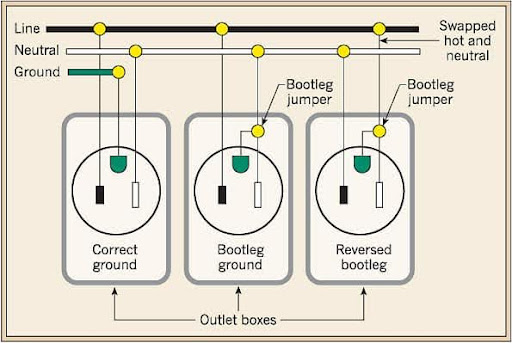
Grounding is another big one. An outlet should have three prongs, not two. That little ground prong at the bottom isn’t just for looks—it’s there to prevent electrical shocks if something goes wrong. In older homes, two-pronged outlets are still common, but these should definitely be updated to meet current standards. Don’t take chances with outdated wiring.
What’s the Circuit Breaker Situation?
Circuit breakers are crucial when it comes to safety. If your outlets are connected to a breaker that trips too often, it’s time to check if your electrical panel is working properly. Also, make sure the amperage is appropriate for your outlets. Overloaded circuits are a major fire risk.
How to Make the Most of Electrical Code for Outlets
If you’re looking to update or add outlets, understanding the code can be a total game-changer. Here’s how you can make sure you’re doing things right without calling in the pros every time.
First, do your homework. Familiarize yourself with basic codes like outlet spacing, grounding, and where outlets should be placed in rooms. Keep in mind, bathrooms, kitchens, and outdoor areas have stricter requirements because of moisture exposure.
When adding new outlets, check the wire gauge and make sure it matches the power requirements of the area. Most household outlets use a 14/2 or 12/2 wire, but certain appliances (like a space heater) need more juice and require heavier wires.
Next, stay on top of any new changes to the electrical code. They update the NEC every few years to account for new technology and materials, so it’s worth being proactive. Even if you don’t plan on installing outlets yourself, knowing the current codes can help you avoid getting swindled by a contractor who’s trying to cut corners.
Lastly, be aware of GFCI (Ground Fault Circuit Interrupter) outlets in specific locations. These are a must-have in bathrooms, kitchens, garages, and outdoor spaces—anywhere water could be a factor. They cut power when they sense a fault, preventing potential shocks.
Frequently Asked Questions About Electrical Code for Outlets
How often should I replace electrical outlets?
Typically, outlets last for a long time—about 20-30 years—but it depends on usage. If you notice frequent sparking, an outlet feels hot, or there’s visible damage, replace it immediately. It’s a simple fix to avoid larger problems, and staying on top of these replacements will keep your home safe.
What’s the deal with GFCI outlets? Do I need them everywhere?
Not everywhere, but definitely in places where there’s moisture. Bathrooms, kitchens, garages, and outdoor outlets need to have GFCI protection. They’re designed to protect against electrical shock if water comes into contact with the outlet. If you’re renovating or updating outlets in these spaces, upgrading to GFCI outlets is a must.
Can I install outlets myself, or should I hire an electrician?
DIY projects are fun, but electrical work is serious business. If you’re comfortable working with electricity and know your way around a breaker box, go ahead and make the changes. But if you’re unsure about any part of the installation process, it’s safer (and often more cost-effective in the long run) to hire a professional. Safety first, always.
Final Scoop Before You Jump In
So, there you have it—what you need to know about electrical code for outlets. It’s not as complicated as it sounds, but trust me, understanding these basics can save you a ton of headache (and maybe a few sparks). Even if you’re not planning on rewiring your home anytime soon, having a grasp of the codes makes you a smarter homeowner and a lot more prepared for unexpected electrical hiccups.
My pro tip? If you’re ever in doubt, hire a licensed electrician. They’ll make sure everything is done to code and, more importantly, done safely. Happy wiring, and may your outlets never fail you (unless it’s for a good reason, like finally making room for the new ones!).
