



When I first heard of a “shunt trip breaker,” I thought it was some sci-fi gadget that made lights flicker during dramatic moments. Turns out, I was totally wrong (and a bit embarrassed).In reality, a shunt trip breaker is a practical, unsung hero in electrical safety.
If your gadgets rely on constant power, you need to know what happens when things go wrong. That’s where the shunt trip breaker comes in to save the day. Curious about what it does and how it works? Stick with me, and you’ll see why this device might just become your new go-to for electrical safety.
What Is a Shunt Trip Breaker, Really?
Alright, I’ll keep this simple: A shunt trip breaker is a type of circuit breaker with an added twist. The twist? It’s designed to trip (aka cut off the power) remotely when an external signal or device triggers it. This could be a manual switch, an emergency alarm, or any number of things that might need an immediate power shutdown—think of it like a superhero that responds in emergencies.
Regular circuit breakers are already pretty awesome at shutting off power when they detect faults, like an overload or short circuit. But the shunt trip breaker takes that up a notch by allowing an external force to trigger the shutoff. So, if there’s a fire alarm or gas leak detection system in your house, they can signal the shunt trip breaker to cut the power to avoid any further damage or danger. Yes, this thing can really be a lifesaver.
Why Do You Need a Shunt Trip Breaker?
Good question! Let’s say you’ve got a home security system or a fire alarm. If something goes wrong, the last thing you want is the electrical system getting in the way of saving your home. That’s where a shunt trip breaker’s magic comes into play. When it receives a trigger from a linked system (like a smoke detector), it can instantly shut off the power to parts of your home, preventing further damage.
Here’s a quick example. Imagine there’s a fire in your kitchen (yikes!). The fire alarm detects it and sends a signal to your shunt trip breaker, which cuts off the power. Without that, an electrical fault or faulty appliance might make the situation worse, sparking a fire. The shunt trip breaker, like a trusty sidekick, steps in to keep the situation under control.
How Does a Shunt Trip Breaker Work?
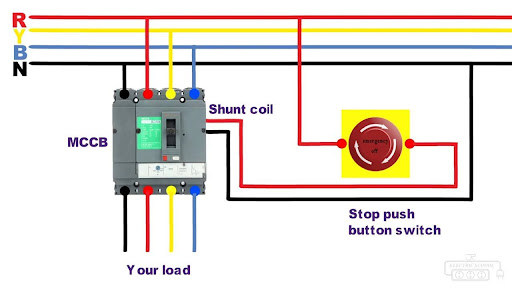
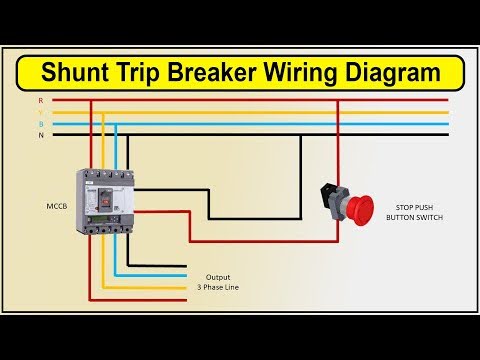
Now, here’s where it gets a little fun: how does the whole thing actually work? A shunt trip breaker is made up of two main components: the breaker itself and the external trip mechanism. The breaker is a regular circuit breaker that protects your electrical system from overloads, while the external mechanism can be any kind of device that triggers the trip.
Here’s the science behind it. When the external device (let’s say, a fire alarm) detects a problem, it sends an electrical signal to the breaker. This signal activates the trip mechanism, causing the breaker to switch off. It’s essentially a way to remotely turn off the power when a potential hazard is detected. So, instead of waiting for a malfunction to escalate, you’re preventing it from even becoming a problem.
How to Make the Most of a Shunt Trip Breaker
Now that you know what a shunt trip breaker is and how it works, let’s talk about getting the most out of it. The whole point is to prevent danger, so proper setup is crucial. First, connect it to a reliable trigger system like a smoke alarm, gas leak detector, or home security system. If you have fire or carbon monoxide detectors, integrate the breaker into that network. When danger is detected, the breaker shuts everything down to prevent further damage.
Second, regular maintenance is a must. Test the system often and check for any signs of wear. Don’t let it gather dust! Lastly, know how to reset the breaker. Once it trips, you’ll likely need to reset it manually. Make sure the system is in good shape before powering everything back up.
FAQ: Your Burning Questions About Shunt Trip Breakers
Do I need a shunt trip breaker in my home?
While it’s not required by law in most residential settings, a shunt trip breaker is definitely a good idea for certain homes—especially those with older electrical systems or homes in areas that are prone to electrical hazards. It can give you peace of mind that you’re covered if something goes wrong, especially when linked to fire alarms or other emergency systems.
How does a shunt trip breaker help prevent fires?
The best thing about a shunt trip breaker is that it cuts off power immediately when an external signal (like a fire alarm) is triggered. This can help prevent electrical fires by stopping any power surges or faulty wiring that could worsen the situation.
Can I install a shunt trip breaker myself?
Technically, you can, but it’s always better to leave this to the pros. Installing a shunt trip breaker involves working with your electrical panel, and if you’re not experienced with electrical systems, it can be dangerous. Call an electrician to get it properly set up and integrated with your home’s emergency systems.
How much does a shunt trip breaker cost?
Prices can vary depending on the brand and model, but expect to pay anywhere from $50 to $200 for a basic shunt trip breaker. Installation costs will depend on the complexity of the setup, but having an expert install it ensures you get the most out of your investment.
The Final Scoop Before You Jump In
Alright, my friend, now that you’ve got all the juicy details, it’s clear that a shunt trip breaker is one clever little gadget. Think of it as an emergency superhero—ready to spring into action whenever you need it most. If you’re looking for an extra layer of safety in your home (and let’s be honest, who isn’t?), it’s definitely worth considering.
Just remember, it’s all about integration. Make sure you pair it with an alarm system or detector that’ll trigger it when needed. Stay safe, stay smart, and if you’re unsure about setting it up, don’t hesitate to get a professional on board. Here’s to your electrical safety—no cape required!
