



Okay, story time. Picture this: you’re in your kitchen, ready to finally make that Pinterest-worthy smoothie, and—bam! The blender won’t start. You check the plug, the switch, your whole vibe—and nothing. But hold up, the real kicker? Your GFCI outlet is dead. You try pressing the reset button—nothing. Nada. Zilch. Cue the internal panic.
If this sounds familiar, you’re not alone, and it doesn’t have to end in disaster. But the truth is, a non-resetting GFCI outlet can be a total party pooper. Before you start dialing an electrician or throwing things out of frustration, let’s walk through why that outlet won’t reset and how you can troubleshoot it yourself. Trust me, it’s not as scary as it seems.
What’s a GFCI Outlet Anyway?
Before you start pressing all the buttons like a mad scientist, let’s break down what’s going on. A GFCI outlet (Ground Fault Circuit Interrupter) is that handy little device in your home designed to protect you from electrical shocks, especially in wet areas like kitchens and bathrooms. If the outlet detects any imbalance in the flow of electricity, it trips to prevent a potential shock. Pretty cool, right?
Now, when the GFCI detects a problem, it shuts down to keep you safe. And naturally, to get things working again, you’ll have to hit the reset button. But what happens when that button just doesn’t work? That’s the real question.
Why Won’t My GFCI Outlet Reset?

If you’re sitting there thinking, “Okay, what gives?” Let’s dig into the reasons your GFCI outlet is playing hard to get.
Is It Just Tripped?
Let’s start with the obvious—sometimes the outlet just gets tripped, and all you need to do is hit the reset button. But, of course, if you’re here, I’m guessing that’s not the case. So, what’s really happening?
There could be a hidden fault somewhere on the circuit. Maybe there’s a faulty appliance or a wiring issue somewhere along the line. The outlet might be acting as the canary in the coal mine, alerting you to a bigger issue.
Overloaded Circuit
Another culprit? An overloaded circuit. If you’ve got too many devices plugged in—like your blender, toaster, and coffee maker all at once—your GFCI outlet could simply be overloaded. This can cause the outlet to trip and fail to reset until the load is balanced.
And let’s be honest—sometimes we get a little too excited with the gadgets. But hey, we’ve all been there, right?
Internal Faults
The reset button won’t work if there’s something wrong with the internal wiring. Loose connections, wear and tear, or even damage caused by water could cause your GFCI outlet to malfunction. That’s when you’ll likely need to replace the outlet altogether.
How to Troubleshoot a GFCI Outlet
Okay, now you’re probably wondering what you can do to fix it yourself. Before you reach for your phone to call the pros, take a deep breath and follow these steps. It might just be easier than you think.
Check the Circuit Breaker
First thing’s first: check your circuit breaker. If your circuit breaker has tripped, it could prevent the GFCI from resetting. Head to your electrical panel and flip the breaker back to the “on” position. Then, go back and try resetting your outlet again.

Unplug Everything
Unplug everything from the outlet and try resetting it again. If something’s shorted out (hello, faulty appliance), this could be the reason the GFCI won’t reset. Once everything is unplugged, hit the reset button and see if that works.
Inspect the Outlet
If the reset still doesn’t work, it’s time for a visual inspection. Turn off the power at the breaker box (always a good idea when dealing with electricity), then check for any obvious signs of wear or damage around the outlet. If there are scorch marks, cracks, or loose wires, you’ll need to replace the outlet.
Test with a GFCI Outlet Tester
Still not resetting? Grab a GFCI outlet tester—these handy tools are designed to tell you if there’s a problem with the wiring. Plug it in and see what it tells you. If it shows a problem, it might be time for a pro to step in.
Why Is My GFCI Outlet Not Resetting After I Replaced It?
So, you’ve replaced the GFCI outlet, but now it’s still not resetting? Talk about a headache. Let’s figure out why this is happening.
Incorrect Wiring
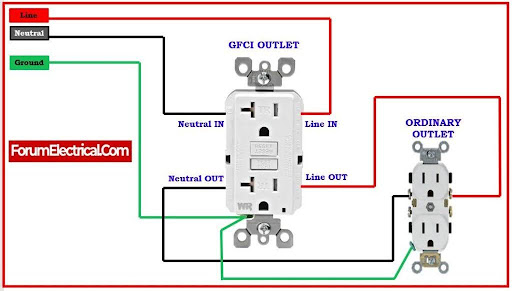
One of the most common issues is incorrect wiring. If you’ve installed the new GFCI outlet yourself, there’s a chance that the line and load wires got swapped. These wires need to be correctly connected for the outlet to work. Double-check the installation manual to make sure everything is in its rightful place.
Circuit Problems
If your new GFCI still isn’t resetting, there could be an underlying issue with the wiring or the circuit itself. The circuit may be overloaded, or there may be a deeper issue with the wiring that’s preventing the outlet from functioning properly.
Power Supply Issues
Another possibility is a disruption in your home’s power supply. If your electrical panel isn’t delivering power properly to the GFCI outlet, it won’t reset. In this case, you’ll need an electrician to come in and check the wiring to the outlet.
FAQ: Troubleshooting Your GFCI Outlet
Why is my GFCI outlet not resetting after I pushed the button?
Well, it could be a sign that there’s a bigger issue at play, like faulty wiring or an overloaded circuit. First, check your circuit breaker and make sure it’s not tripped. If everything looks fine on that end, unplug all devices from the outlet and try again. If that still doesn’t work, it might be time to call a pro.
Can I reset a GFCI outlet without turning off the breaker?
You can try, but it’s generally safer to turn off the breaker before messing with anything electrical. Resetting the outlet without cutting off power first might put you at risk of an electrical shock. Better to play it safe.
How do I know if my GFCI outlet is faulty?
If your GFCI outlet won’t reset after following the basic troubleshooting steps, there’s a good chance it’s faulty. Check for visible damage, such as cracks or burn marks. If you don’t see anything obvious but the outlet still isn’t resetting, it’s probably time for a replacement.
How often do GFCI outlets need to be replaced?
GFCI outlets don’t last forever. In general, they should be replaced every 10-15 years, or sooner if they start malfunctioning. Like any piece of technology, GFCIs wear out over time, especially if they’ve been exposed to moisture or have been frequently tripped.
Trouble with GFCI outlets? Keep Calm
Alright, I’ve said my piece—now it’s your turn! Troubleshooting a GFCI outlet isn’t the most glamorous task, but it’s one of those things you can totally handle. Whether it’s checking the breaker, unplugging everything, or just replacing the outlet altogether, you’ve got this.
Just remember, if all else fails, don’t be afraid to bring in the pros. Your safety is worth it. But I’m betting with these tips, you’ll have that GFCI outlet up and running in no time. Stay safe, stay sharp, and remember—sometimes, a little DIY goes a long way!
