



Every nonprofit starts with a mission, but passion alone won’t keep the lights on. Behind every successful organization is a sturdy operational foundation that supports its work year after year. From governance to finances to technology, these building blocks help your nonprofit grow, adapt, and serve its community with confidence. Let’s explore the strategies that turn good intentions into lasting impact.
Defining a Robust Operational Foundation
A strong operational foundation is the system of structures, processes, and people that keeps your nonprofit running smoothly. Without it, even the most inspiring mission can falter under the weight of day-to-day challenges.
Understanding the Pillars of Nonprofit Operations
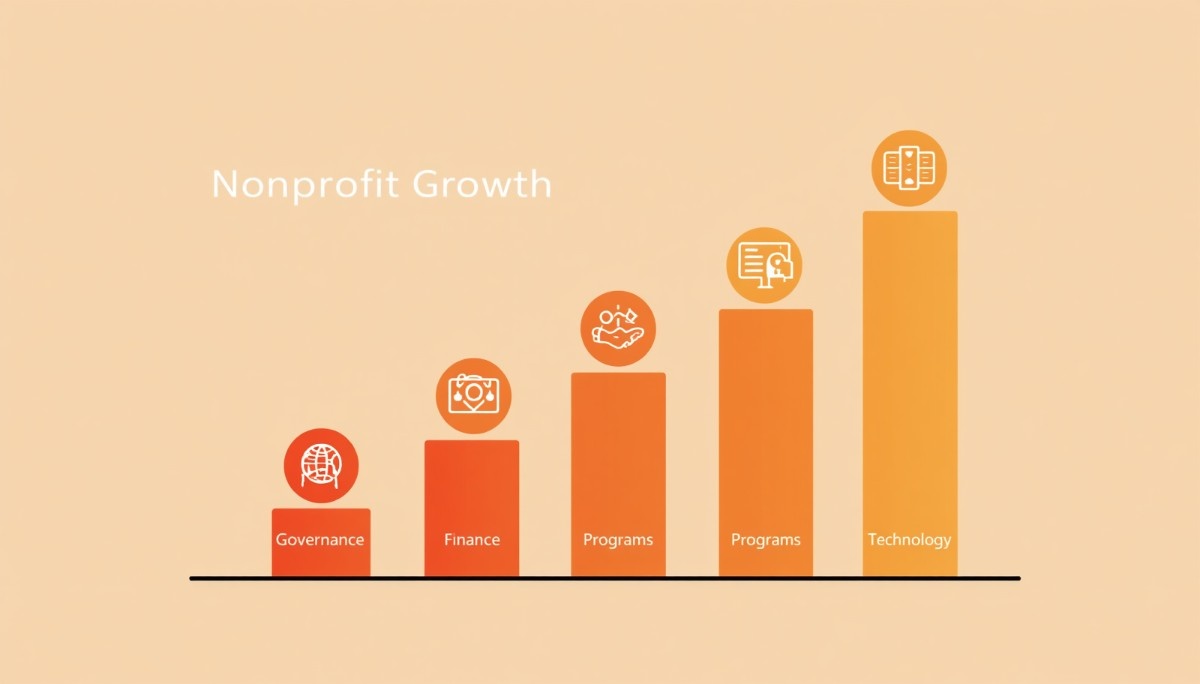
Think of your nonprofit as a building. The walls and roof represent your programs and services, but they rest on several key pillars: governance, financial management, human resources, and technology. When one pillar weakens, the entire structure feels the strain. Strengthening all of them together creates stability and resilience.
The Importance of Strategic Planning
Strategic planning gives your organization direction. It answers the big questions: Where are we headed? How will we get there? A clear strategic plan aligns your team, guides decision-making, and helps you measure progress. Revisit your plan regularly, since the needs of your community and the world around you are always shifting.
Effective Governance and Leadership
Good governance is the heartbeat of a healthy nonprofit. It ensures accountability, builds public trust, and keeps your organization focused on its mission.
Board Development and Engagement
Your board of directors plays a vital role in steering the organization. Recruit members who bring diverse skills, perspectives, and networks to the table. Keep them engaged through regular meetings, meaningful committee work, and clear expectations. An engaged board doesn’t just attend meetings—it actively champions your cause.
Defining Roles and Responsibilities
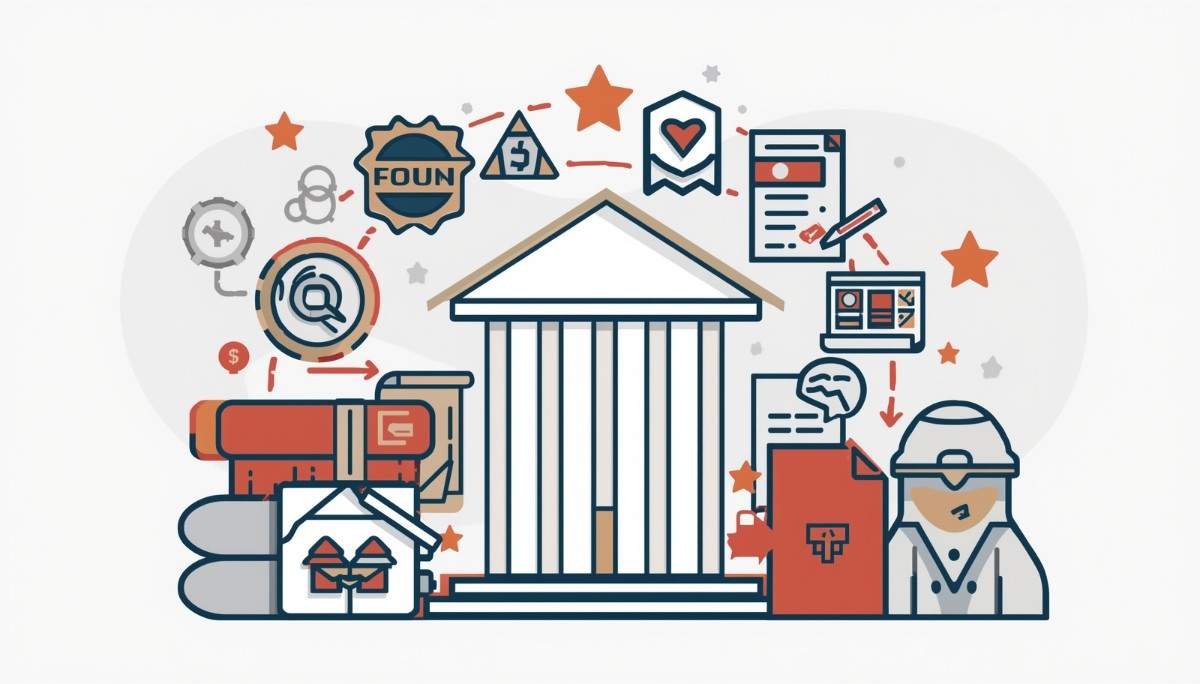
Confusion about who does what can slow an organization down. Clearly define the roles of board members, staff, and volunteers. Written job descriptions, governance policies, and decision-making frameworks help everyone understand their part. When responsibilities are clear, work gets done faster, and conflicts arise less often.
Ethical Leadership and Transparency
Trust is one of a nonprofit’s most valuable assets. Lead with honesty and hold yourself to high ethical standards. Share your financials openly, communicate decisions clearly, and invite feedback from stakeholders. Transparency reassures donors, partners, and the people you serve that their trust is well placed.
Financial Management and Sustainability
Money matters in the nonprofit world just as much as it does in business. Sound financial management keeps your doors open and your programs running.
Budgeting and Financial Oversight
A well-crafted budget is your financial roadmap. It shows how much you expect to bring in and where every dollar will go. Review your budget regularly against actual results, and adjust as needed. Strong financial oversight—often led by a finance committee or treasurer—helps catch problems early and keeps spending on track. Consider fixed income investments for reserves.
Diversifying Funding Streams
Relying on a single source of funding is risky. If that source dries up, your organization could be in trouble. Diversify by combining individual donations, grants, corporate sponsorships, events, and earned income. A varied funding mix cushions your nonprofit against unexpected shortfalls and supports long-term sustainability.
Compliance and Accountability
Nonprofits must follow a range of legal and financial regulations. Stay current on filing requirements, tax obligations, and reporting standards. Protecting your organization also means managing risk wisely, which is why many groups invest in liability insurance for nonprofit operations. These measures shield your assets and demonstrate accountability to those who support you.
Program Delivery and Impact Measurement
Your programs are where your mission comes to life. Delivering them well—and proving they work—is essential to your credibility and growth.
Designing Effective Programs
Start with the needs of the people you serve. Design programs around clear goals and realistic outcomes. Involve community members in the planning process so your services truly address their challenges. A thoughtful design sets the stage for meaningful results.
Measuring and Reporting Impact
Donors and partners want to know their support makes a difference. Track key metrics that show your progress, such as the number of people served or specific outcomes achieved. Share these results through reports, stories, and updates. Honest reporting builds trust and strengthens your case for continued support.
Continuous Improvement
No program is perfect from the start. Gather feedback, analyze your data, and look for ways to improve. Treat setbacks as learning opportunities rather than failures. A culture of continuous improvement keeps your programs effective and your organization moving forward.
Human Resources and Volunteer Management
People power your mission. Caring for your staff and volunteers is one of the smartest investments you can make.
Attracting and Retaining Talent
Skilled, committed people are hard to find and harder to keep. Offer competitive pay where you can, along with meaningful work and opportunities to grow. Recognize achievements and create clear paths for advancement. When employees feel valued, they stay longer and contribute more.
Cultivating a Positive Organizational Culture
Culture shapes how people feel about coming to work each day. Foster an environment built on respect, collaboration, and shared purpose. Encourage open communication and celebrate wins, big and small. A positive culture boosts morale, productivity, and retention.
Effective Volunteer Engagement
Volunteers bring energy, skills, and passion to your cause. Give them clear roles, proper training, and genuine appreciation. Match their talents to tasks that excite them, and check in regularly to keep them motivated. Well-supported volunteers become some of your most loyal advocates.
Technology and Infrastructure
The right tools and systems help your nonprofit work smarter, not harder.

Leveraging Technology for Efficiency
Technology can streamline tasks that once ate up hours of staff time. Use software to manage donations, track relationships, and automate routine work. Freeing your team from repetitive tasks lets them focus on what matters most: serving your community.
Data Management and Security
Your organization holds sensitive information about donors, clients, and staff. Protect it carefully. Establish clear policies for storing, sharing, and safeguarding data. Regular backups and strong security practices guard against breaches and keep stakeholder trust intact.
Maintaining Physical and Digital Infrastructure
Whether it’s an office space or an online platform, your infrastructure needs regular care. Keep equipment in good working order, update software promptly, and plan for future needs. A reliable infrastructure prevents disruptions and supports steady growth.
Conclusion
A strong operational foundation transforms a hopeful mission into lasting change. By investing in governance, finances, programs, people, and technology, your nonprofit builds the resilience it needs to thrive. Start with one pillar, strengthen it, then move to the next. Step by step, you’ll create an organization ready to serve your community for years to come.
