



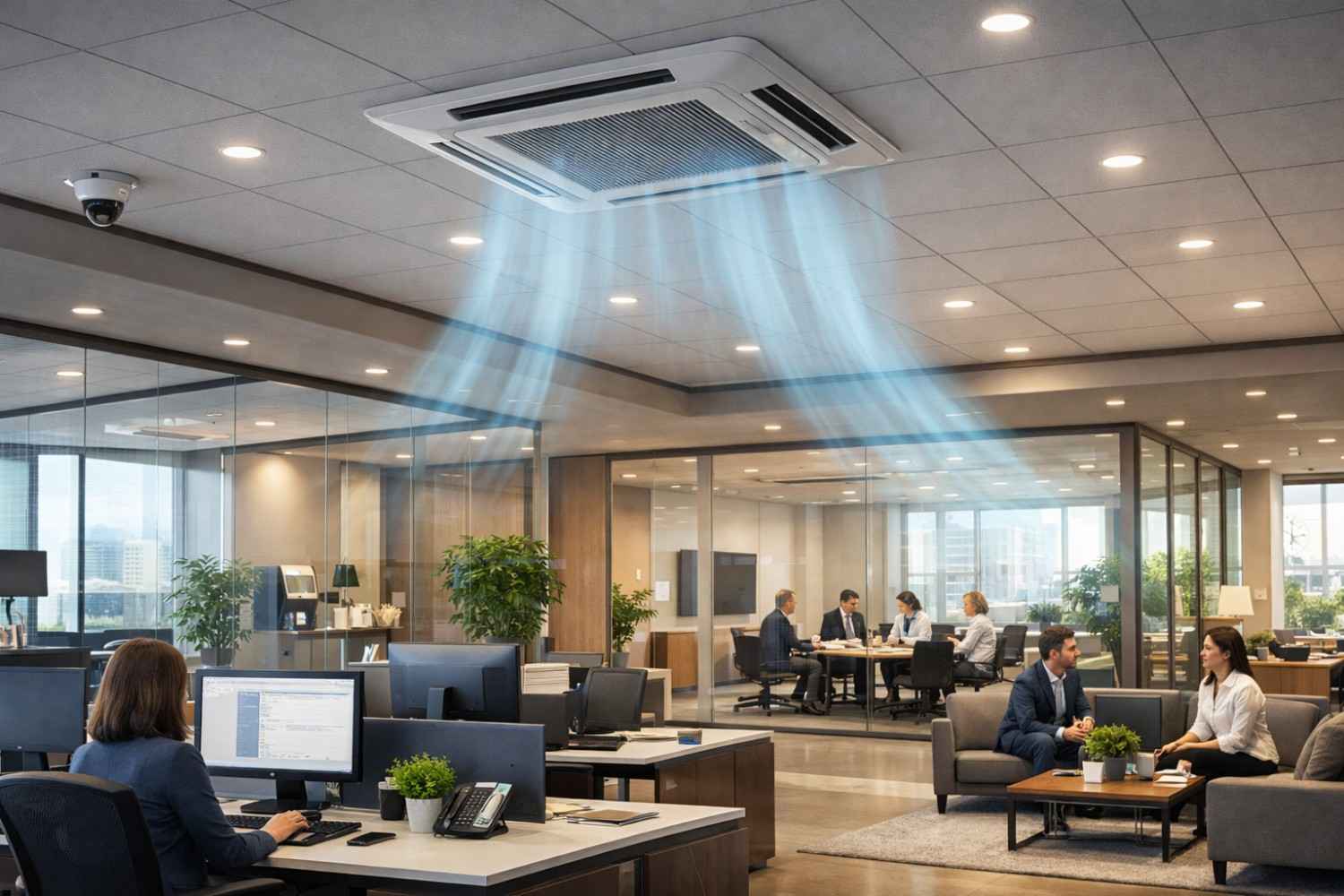
Maintaining a comfortable environment within commercial spaces is essential for the productivity and well-being of both employees and customers. Air conditioning systems play a significant role in achieving this goal, offering numerous advantages that go beyond mere temperature control. This article explores the benefits of AC for commercial spaces and why investing in such systems is a prudent decision for business owners.
Enhanced Comfort for Occupants
The primary advantage of installing air conditioning in commercial spaces is the consistent maintenance of a comfortable indoor climate. This not only includes cooling during hot weather but also regulating humidity levels, which can have a profound impact on comfort. When staff and customers feel comfortable, it can lead to increased satisfaction and a more welcoming atmosphere.
Improved Productivity
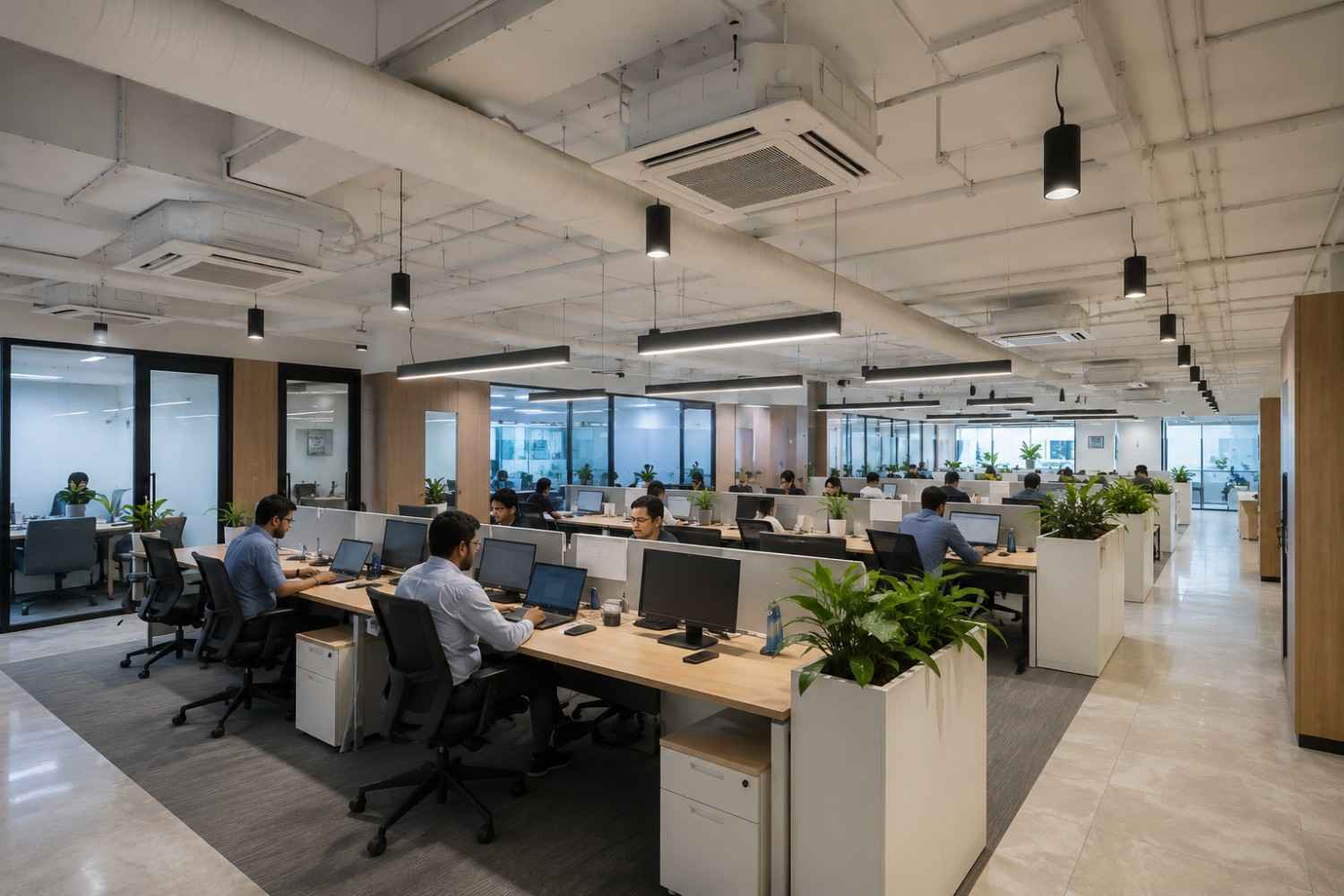
Temperature and humidity have a direct influence on cognitive functions and overall productivity. Numerous studies have demonstrated that employees working in adequately air-conditioned environments tend to perform better, with fewer errors and less fatigue. Installing a high-quality ac for commercial settings can facilitate a more efficient workforce, ultimately benefiting the bottom line.
Health Benefits
Air conditioning systems contribute to improved indoor air quality by filtering out pollutants, allergens, and dust particles. This is particularly important in commercial spaces where high foot traffic can elevate the presence of airborne contaminants. By maintaining cleaner air, these systems help reduce the incidents of respiratory issues and allergies among occupants.
Reduced Equipment Downtime
Certain commercial environments rely on sensitive electronic equipment that requires stable temperature conditions to function optimally. Overheating can cause equipment failure and downtime, which may disrupt business operations. The use of specialised ac for commercial applications ensures that such equipment remains within safe operating temperatures, extending their lifespan and reducing repair costs.
Energy Efficiency and Cost Savings
Modern commercial air conditioning systems are designed to be energy efficient, reducing power consumption without compromising performance. Features such as programmable thermostats, zoning controls, and inverter technology allow businesses to manage cooling needs effectively. Although the initial instalment may require a significant outlay, the long-term operational savings and reduced utility bills provide a favourable return on investment.
Maintaining a Professional Image
The comfort of clients and visitors plays a critical role in shaping their perception of a business. A well-maintained commercial space with adequate air conditioning can improve the ambience, making a positive impression. This is especially pertinent in industries such as retail, hospitality, and healthcare, where the customer experience is directly linked to sales or service quality.
Just as selecting electrical panel locations is essential for ensuring safety, accessibility, and efficient building operations, strategically designed air conditioning systems contribute to a comfortable, welcoming environment that enhances both customer satisfaction and business performance.
Customized Solutions for Diverse Requirements
Commercial spaces vary widely, from office buildings and retail centres to warehouses and manufacturing plants. Consequently, the demand for ac for commercial use can differ significantly based on factors including space size, occupancy levels, and operational needs. Professional air conditioning providers offer tailored solutions that address these unique requirements, ensuring optimal performance.
Environmental Considerations
Given the increasing emphasis on sustainability, modern commercial air conditioning systems often incorporate environmentally friendly technologies. These include refrigerants with low global warming potential and energy-saving features that reduce the carbon footprint of commercial buildings. Selecting eco-conscious systems aligns with corporate social responsibility objectives and governmental regulations.
Temperature Control for Sensitive Products
Certain commercial sectors such as food retail, pharmaceuticals, and data centres require stringent temperature control to preserve product integrity. Effective air conditioning systems ensure that temperature-sensitive items remain within specified limits, preventing spoilage and losses. Investing in specialised ac for commercial applications safeguards valuable inventory and ensures compliance with industry standards.
Noise Reduction
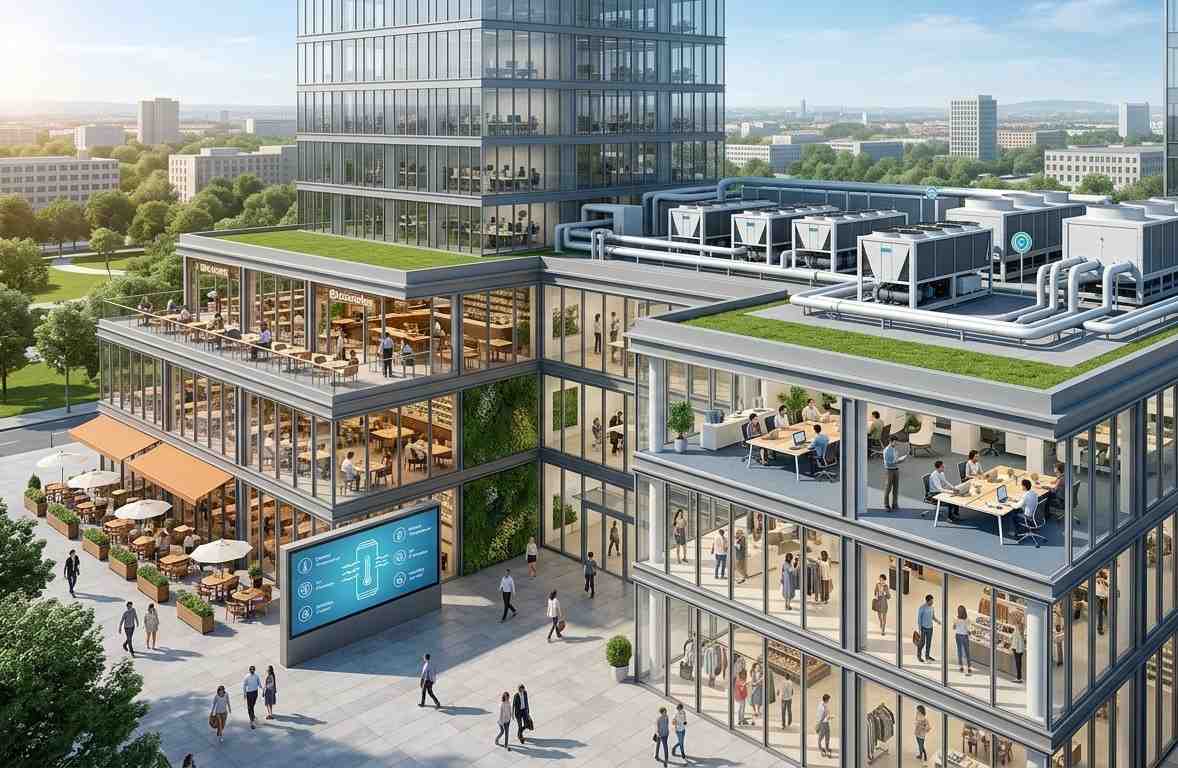
Modern commercial AC units are designed to operate quietly, minimising disruptions within the working environment. Noise pollution can be a significant distraction affecting concentration and communication. Upgrading to newer systems can contribute to a quieter workplace, thereby improving overall occupational experience.
Flexibility of Operation
Advanced air conditioning systems provide flexibility in operation through programmable settings and remote control options. Building managers can adjust temperature zones independently, responding to differing needs across various sections of a commercial space. Such adaptability enhances energy efficiency and occupant comfort.
Compliance with Building Regulations
Many commercial buildings are subject to regulations regarding indoor air quality and ventilation standards. Properly installed air conditioning systems can assist in meeting these legal requirements, avoiding potential penalties and ensuring safe working environments. Consulting with professional providers of ac for commercial use can ensure compliance and peace of mind.
Increased Property Value
Commercial properties equipped with modern air conditioning systems tend to have higher market values. Potential buyers or tenants often consider climate control capabilities as a key factor when evaluating properties. Thus, investing in efficient AC systems can enhance the resale or rental appeal of commercial buildings.
Reduced Maintenance Costs
Installing contemporary air conditioning units with built-in diagnostic and self-maintenance features can reduce the frequency and cost of repairs. Timely maintenance facilitated by these systems can prevent major breakdowns, extending equipment life and lowering overall expenditure.
Essential in Hot Climates
In regions prone to high temperatures, air conditioning is indispensable in preventing heat-related illnesses and ensuring continuous business operation. The demand for reliable ac for commercial premises is particularly high in such environments, emphasising the need for robust solutions tailored to local conditions.
Conclusion
Air conditioning systems provide numerous benefits for commercial spaces, ranging from enhanced comfort and improved productivity to energy efficiency and regulatory compliance. Investing in specialised ac for commercial solutions is critical in maintaining a functional, safe, and appealing workspace. These systems serve as vital infrastructure components that support business operations and contribute positively to employee health and customer experience.
