



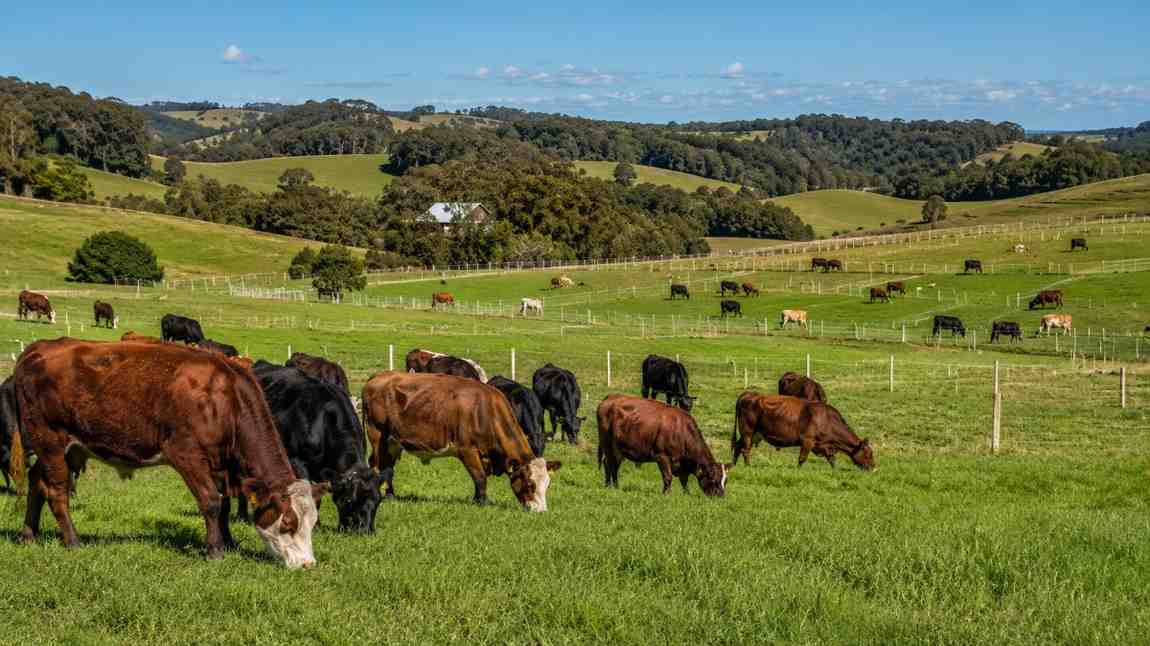
Organic beef has gained significant attention in recent years due to growing consumer awareness about food safety, animal welfare, and environmental sustainability. This article explores the benefits of choosing organic beef and highlights reliable sources where consumers can purchase this product.
Understanding Organic Beef
Organic beef refers to meat sourced from cattle raised according to strict organic farming standards. These standards typically prohibit the use of synthetic pesticides, hormones, antibiotics, and genetically modified organisms. Instead, cattle are raised on organic feed and allowed to graze freely to promote natural behaviours and better health.
Health Benefits of Organic Beef
One of the primary reasons consumers opt for organic beef is its perceived health benefits. Studies suggest that organic beef may contain higher levels of beneficial nutrients such as omega-3 fatty acids and antioxidants compared to conventionally farmed beef. The absence of synthetic chemicals and antibiotics reduces the risk of harmful residues in the meat.
Moreover, organic beef is less likely to contribute to the rise of antibiotic-resistant bacteria, a significant public health concern linked to the widespread use of antibiotics in conventional animal farming. By choosing organic beef, consumers reduce their exposure to these potential health risks if living with heart disease.
Environmental Advantages
Organic cattle farming promotes sustainable agricultural practices that benefit the environment. These include maintaining healthy soil, reducing pollution, and conserving water resources. Organic farms often implement rotational grazing methods, which improve pasture quality and reduce soil erosion.
The prohibition of synthetic fertilisers and pesticides avoids chemical runoff into water bodies, protecting aquatic ecosystems. Additionally, organic farming methods tend to generate lower greenhouse gas emissions, contributing less to climate change compared to conventional cattle farming.
Animal Welfare Considerations
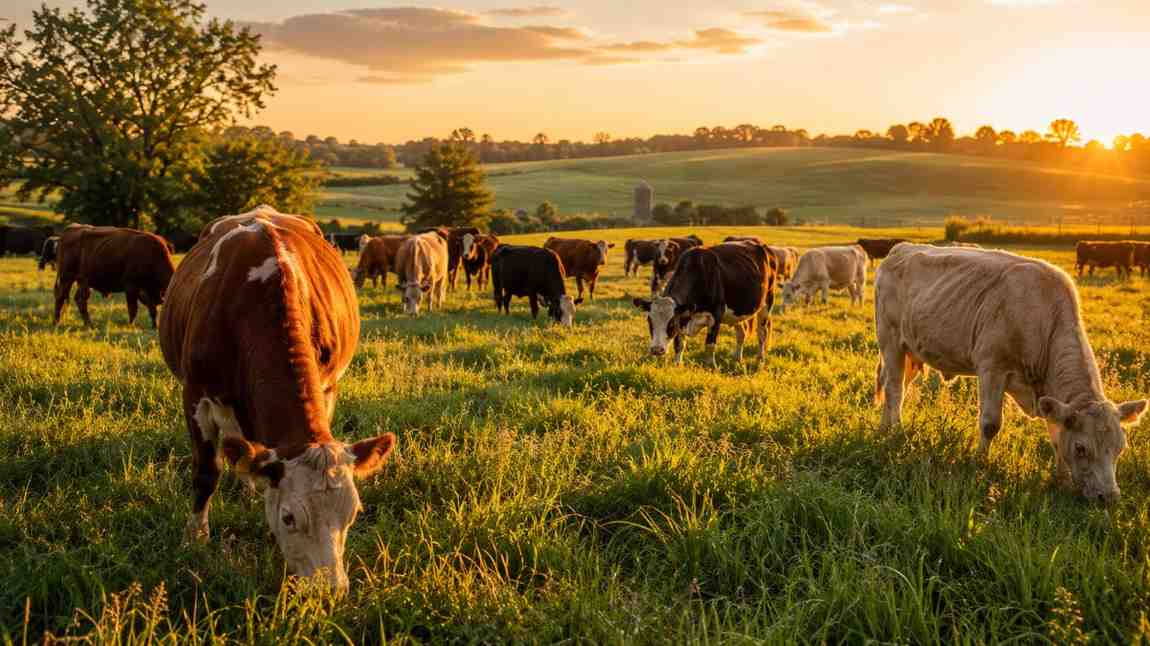
Animal welfare is a central aspect of organic beef production. Regulations require that cattle be raised in conditions that allow for natural behaviours, such as grazing outdoors and social interaction with other animals. This contrasts with some industrial farming systems that confine animals to restricted spaces.
Organic standards also exclude the use of growth hormones and restrict medical interventions, promoting healthier animals raised in more humane environments. These welfare practices align with the increasing consumer demand for ethically produced food.
Economic and Social Impact
The organic beef industry often supports smaller, independent farmers who adhere to organic farming principles. This can help sustain rural economies and promote agricultural diversity. Consumers who purchase organic beef contribute to a market that values quality over quantity and environmental stewardship over intensive production.
Quality and Taste
Many consumers report a preference for the taste and quality of organic beef. The meat is often described as having a richer flavour and better texture, attributable to the cattle’s diet and natural rearing conditions. While taste is subjective, the care taken in organic production typically results in a premium product.
Certifications and Labelling
To ensure the integrity of organic beef, independent certification bodies verify that farms and processors meet stringent standards. These certifications provide consumers with confidence that the product meets labelled claims. Common certification logos must be present on packaging or marketing materials to validate organic status.
What to Look for When Buying Organic Beef
When purchasing organic beef, consumers should look for certification marks and detailed information about the source. Transparency from producers regarding farming practices, origin, and animal welfare can help make informed choices. Additionally, establishing direct relationships with reputable suppliers or visiting local farms can provide assurance of quality.
Reliable Sources of Organic Beef
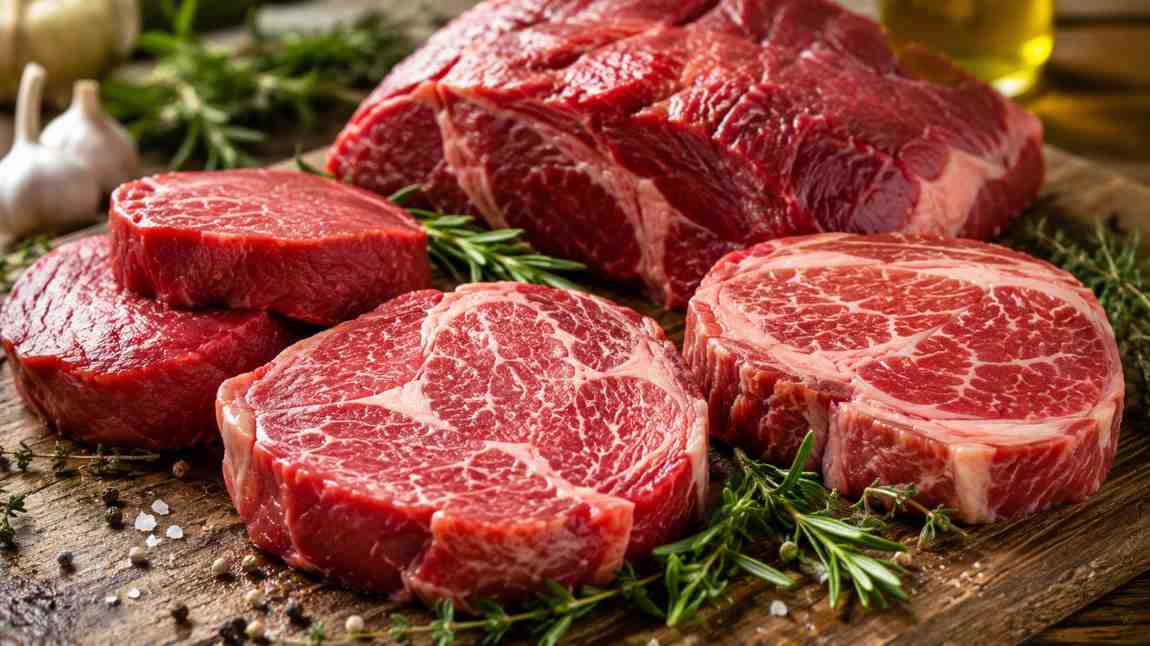
Several outlets now offer a range of organic beef, from specialised butchers to online retailers. The Naked Butcher, for example, provides a comprehensive collection of organic beef products that meet high standards for quality and sustainability.
These sources typically provide detailed product descriptions, including information about the cattle’s diet, rearing conditions, and certifications. Purchasing from trusted suppliers ensures that consumers receive genuine organic beef.
Comparing Organic Beef to Conventional Beef
It is important to understand the differences between organic and conventional beef to make educated purchasing decisions. Conventional beef production often involves grain-based diets for cattle, confined animal feeding operations, and the use of additives to promote growth and prevent disease. In contrast, organic beef production focuses on natural growth, pasture feeding, and the avoidance of synthetic inputs.
While conventional beef may be less expensive, consumers should consider factors such as animal welfare, environmental impact, and potential chemical residues absent from organic beef.
Challenges in Organic Beef Production
Producing organic beef involves challenges that can impact availability and price. Organic farming requires more land to support grazing, higher labour inputs, and longer rearing periods. These factors contribute to higher costs compared to conventional production.
Additionally, farmers must adhere to strict regulations and undergo regular inspections, which add to operational complexity. Despite these challenges, organic beef remains a growing segment of the meat market due to increasing consumer demand.
Future Trends in Organic Beef
The organic beef sector is expected to expand as trends toward sustainable and ethical food consumption continue. Innovations in organic farming methods, breed selection, and supply chain transparency will likely enhance product quality and accessibility.
Technological advances in traceability and certification processes will also improve consumer confidence in organic beef. Furthermore, greater public education about the benefits of organic meat may drive broader adoption and support for organic farming.
Conclusion
Choosing organic beef offers numerous benefits, including improved nutritional profile, better animal welfare, and reduced environmental impact. While organic beef may cost more, its advantages align with the values of health-conscious and environmentally aware consumers.
Reliable sources such as organic beef providers who adhere to certification standards are essential for ensuring product authenticity. By supporting organic beef, consumers contribute to sustainable agriculture and promote higher standards in food production.
