



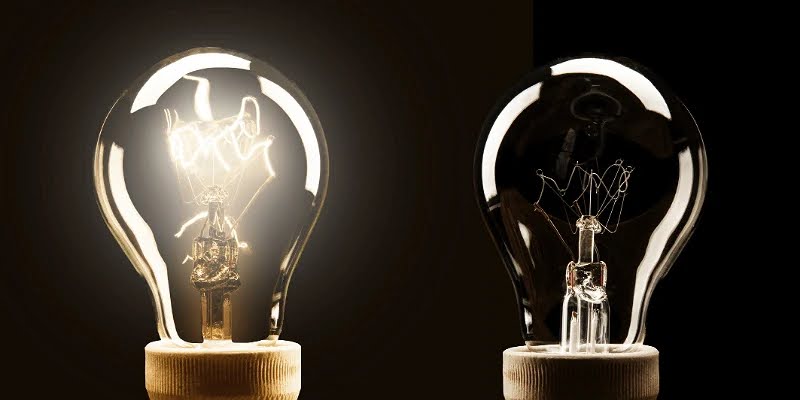
Okay, so picture this: You’re sitting in your cozy living room, maybe watching your favorite show or deep in thought, when out of nowhere, your lights start doing this weird, strobe light effect. It’s not cute. It’s not cute at all.
At first, I thought it was just some random glitch. But no. It kept happening. And let me tell you, after a few times, I was seriously over it.
I mean, who needs an impromptu rave session in the middle of the night? I did some digging, and turns out, there’s a reason for flickering lights—and it’s not always as innocent as a flickering bulb.
So, if your lights are doing the cha-cha without your permission, I’m here to break it down for you. Let’s talk about why my lights are flickering & how do I fix it?
Why Are My Lights Flickering in the First Place?
Let’s start with the basics: flickering lights are annoying, but what causes them? Is it a ghost? A sign you’re cursed? Nah, it’s most likely an electrical issue. There are several reasons why your lights might be acting up, and most of them are fixable without needing to call in an exorcist—or an electrician—just yet.
One reason is something as simple as a loose light bulb. Check your bulbs first before you get into full panic mode. A loose bulb can cause the filament inside to malfunction, which leads to flickering. It’s the easiest fix, so give that a quick twist and see if the flickering stops.
Another culprit? The wiring. If you’ve got old, fraying wires or a dodgy connection, your lights may start blinking in protest. This is where things get a little tricky because if the wiring is at fault, you might need to call in the pros. It’s a safety concern, after all.
And don’t forget about your dimmer switch. Oh, this one is a sneaky little gremlin. Dimmer switches that aren’t compatible with certain types of bulbs can cause that flickering action. If you have a dimmer, try swapping the bulb with one that’s dimmer-friendly.
Can A Faulty Circuit Breaker Be The Issue?

Oh, absolutely. A faulty circuit breaker is another sneaky reason behind flickering lights. If your circuit breaker is malfunctioning, it can cause inconsistent electrical flow, which leads to your lights behaving like they’re in a constant strobe session. Not ideal.
What’s more, a circuit breaker can trip without you even knowing. It might not cut the power entirely, but it might be struggling to handle the load in your home, making the lights flicker from time to time.
If you suspect this might be the issue, check your breaker panel to see if any breakers have been tripped. If one has, try flipping it back on. But, if the flickering continues after that, it might be time to call in an expert to assess whether your circuit breaker needs replacing or updating.
Are My Lights Flickering Due to Voltage Fluctuations?
Voltage fluctuations are a little less common but still very possible. If you live in an area with an inconsistent electrical supply, the voltage in your home can spike and dip, causing your lights to flicker. Think of it like your electrical system getting a little shaky.
This can happen when too many appliances are drawing power from the same source. For example, if you’ve got your AC running full blast while blasting your hair dryer and running the microwave at the same time, the system might not be able to keep up, which can make your lights flicker.
Voltage fluctuations are no joke, though. If your lights are constantly flickering, it’s best to get a professional to check the stability of your home’s electrical system.
How to Make the Most of Flickering Lights Fixes

First, check the bulb. Is it screwed in properly or too old? If it’s an incandescent or CFL, swap it for an LED. LEDs are energy-efficient, last longer, and don’t flicker. Next, inspect the wiring. Look for any damage or fraying. If something seems off, call an electrician. Safety first!
If you have a dimmer switch, make sure it’s compatible with your bulb type. If not, replace it with one designed for your bulb. For circuit breaker issues, check the breaker box. If you’re unsure, get an electrician to ensure everything is up to code. Finally, if you’re dealing with voltage fluctuations, use a surge protector or voltage regulator to stabilize power and protect your appliances.
FAQ: All the Burning Questions You Have About Flickering Lights
Can a flickering light bulb cause a fire?
It’s rare, but yes, a flickering bulb could signal an underlying electrical issue, such as faulty wiring or a malfunctioning circuit, which could lead to a fire if not addressed. If you’ve checked the bulb and it’s still flickering, don’t wait. Call an electrician.
My lights only flicker when I use certain appliances. What gives?
It sounds like your home might be dealing with voltage fluctuations. If certain appliances are drawing too much power from the same circuit, it could cause your lights to flicker. Try using fewer high-powered appliances at once, or contact an electrician to look into stabilizing the voltage in your home.
How do I know if I need to replace my circuit breaker?
If your lights flicker frequently or you experience power outages, it might be a sign your circuit breaker is not functioning correctly. A licensed electrician can assess whether it needs replacing. Don’t attempt to fix a circuit breaker yourself—it’s dangerous.
Is there any way to prevent flickering lights in the future?
Regular maintenance goes a long way. Check your bulbs regularly, make sure your wiring is intact, and don’t overload your circuits with too many appliances. If you’re unsure about your electrical setup, a yearly inspection by a licensed electrician can keep things running smoothly.
Don’t Fret, Get It Checked!
So, now you’re armed with all the knowledge you need to stop the flickering light madness in your home. Whether it’s loose bulbs, dodgy wiring, or a malfunctioning circuit breaker, there’s a solution out there for you. Just remember, while some fixes are DIY-friendly, others might require the expertise of a professional. Don’t risk it. Get it checked out if you’re not sure!
And here’s a tip: keep an eye on your electrical system. Little issues today can lead to bigger problems tomorrow. But now that you’re in the know, you’re one step closer to keeping your lights shining bright and steady—just like your energy.
